
Flame Detectors for Fire and Explosion Risk Areas
Flame detectors identify flame signatures in areas where fast fire detection matters, especially where combustible gas, vapour or fuel sources are present. They support process safety, storage, petrochemical and high-risk industrial monitoring.
How to Select Gas Detection Equipment
| Selection factor | What to check | Typical use |
|---|---|---|
| Detection technology | UV, IR or combined UV/IR response | Flame signature and nuisance rejection |
| Coverage | Field of view and mounting angle | Storage, process and loading areas |
| Integration | Relay, panel or system output | Plant alarm and shutdown logic |
Calibration, Bump Test and Compliance Notes
Gas detection should be part of a written work procedure, not a standalone device purchase. Identify the gases, test before entry where required, maintain instruments, train users to respond to alarms and keep calibration or bump-test records according to site requirements.
Common Questions
What gases should a workplace detector monitor?
Common targets include oxygen (O2), combustible gas or LEL, hydrogen sulphide (H2S), carbon monoxide (CO), carbon dioxide (CO2), ammonia, chlorine, sulphur dioxide, VOCs and site-specific process gases. The right set depends on the hazard assessment.
How often should gas detectors be calibrated?
Follow the manufacturer and site procedure. Many workplaces calibrate periodically and use bump tests before use or daily for portable instruments, especially for confined space entry or harsh environments.
Can Safetyware help select and calibrate gas detectors?
Yes. Contact Safetyware for product selection and see the gas detector calibration service for accuracy and maintenance support.
Related Support
For practical background, read Safetyware’s portable gas detector guide and gas detector calibration service page. Need product matching or quotation support? Contact Safetyware. For entry equipment, also review related confined space solutions.
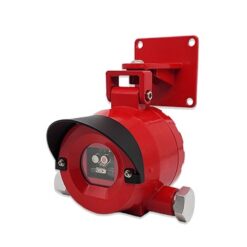
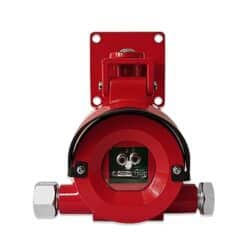
Flame Detectors