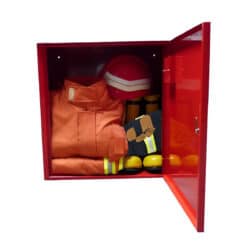
Fire Cabinets and Equipment Storage
Fire cabinets protect extinguishers, hose reels, emergency keys and response kits from impact, weather, dust and unnecessary handling while keeping equipment visible for fast access. They support factories, warehouses, commercial buildings, car parks and emergency response points.
How to Select Fire Cabinets
| Storage need | Common cabinet type | Selection cue |
|---|---|---|
| Portable extinguisher point | Fire extinguisher cabinet or stand | Size, visibility, mounting and access |
| Hose reel station | Hose cabinet | Door type, corrosion resistance and hose clearance |
| Emergency key control | Emergency key box | Break-glass or controlled access requirement |
| Response team kit | Fire fighting kit cabinet | Checklist, PPE space and quick identification |
Standards, Siting and Maintenance Notes
Cabinets should not create a barrier to emergency use. Keep equipment labels visible, avoid blocked doors, and inspect hinges, glazing, corrosion, locks and mounting points during routine checks.
Common Questions
Should fire cabinets be locked?
Use controlled access only when appropriate. Emergency equipment must remain available to authorised responders and should not be locked in a way that delays use.
What colour should a fire cabinet be?
Red is commonly used for quick recognition, but final selection should follow site practice, visibility needs and project specifications.
Can Safetyware help match cabinet size?
Yes. Contact Safetyware with the extinguisher, hose reel or kit dimensions so the team can recommend a practical cabinet or stand.
Related Support
Need help selecting extinguishers, fire blankets, hose reels, cabinets, detectors or emergency response tools? Contact Safetyware for product guidance, quotation support and practical site recommendations. You can also review related spill control solutions, safety storage and containment and PPE storage for a more complete emergency readiness setup.
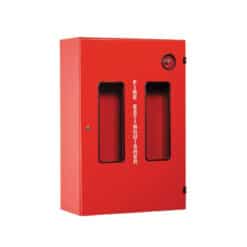
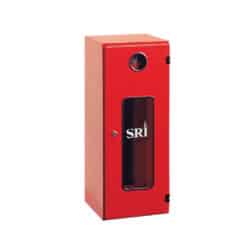
Cabinets
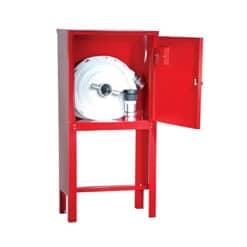
Cabinets
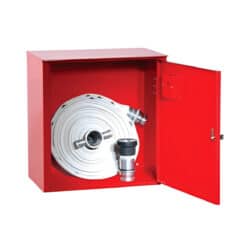
Cabinets
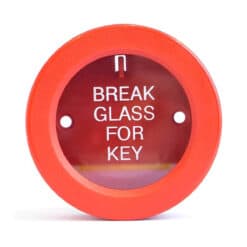
Cabinets