
Heat and Smoke Detectors for Early Fire Warning
Heat and smoke detectors provide early warning so occupants and response teams can act before a fire escalates. Standalone detectors are useful for selected rooms, storage areas, temporary facilities and smaller workspaces where early detection supports evacuation and response planning.
How to Select Detection Devices
| Area condition | Detector consideration | Practical note |
|---|---|---|
| Clean office or room | Smoke detector | Good for early smoke warning in typical indoor areas |
| Dust, vapour or steam-prone area | Heat detector or alternative design | Reduce nuisance alarms through proper selection |
| Temporary or remote point | Standalone detector | Plan battery checks and audibility |
Standards, Siting and Maintenance Notes
Detection should be planned with the building fire strategy, evacuation route and maintenance routine. Check battery condition, alarm sound and device replacement guidance according to manufacturer instructions.
Common Questions
Where should smoke detectors be installed?
Install detectors according to the building layout, hazard and manufacturer guidance, avoiding dead air spaces and locations with frequent nuisance triggers.
Are standalone detectors enough for every building?
No. Larger or regulated premises may require a designed fire alarm system. Standalone devices support selected areas but should not replace required systems.
How often should detectors be checked?
Follow manufacturer guidance and site inspection routines. Battery, alarm and physical condition checks should be easy for the responsible person to document.
Related Support
Need help selecting extinguishers, fire blankets, hose reels, cabinets, detectors or emergency response tools? Contact Safetyware for product guidance, quotation support and practical site recommendations. You can also review related spill control solutions, safety storage and containment and PPE storage for a more complete emergency readiness setup.
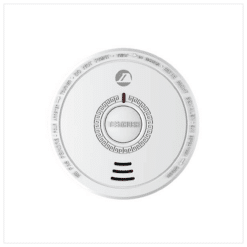
Heat and Smoke Detectors