Medical Equipment for Workplace and Care Support
Medical support equipment helps workplaces, clinics, care facilities, public buildings and emergency rooms assist people safely after injury, illness or mobility limitation. Selection should consider user condition, supervision, storage, cleaning and how the item fits the emergency response plan.
How to Select Basic Medical Support Equipment
| Support need | Useful product | Selection cue |
|---|---|---|
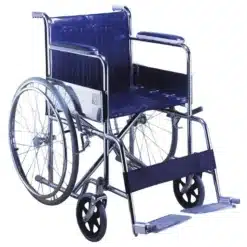
| Short-distance patient mobility | Basic wheelchair | Frame condition, brake function, belt, tyres, seat comfort and storage |
| First aid room support | Mobility and transfer aids | Space, cleaning, supervision and access route |
| Emergency readiness | Medical equipment with first aid plan | Who operates it, where it is stored and how it is inspected |
Standards, Readiness and Procurement Notes
Medical equipment used in the workplace should be inspected, cleaned and stored so it remains ready for supervised use. It should complement trained first aiders, clear escalation procedures and professional medical response.
Common Questions
Is a wheelchair part of first aid readiness?
It can support safe movement in some situations, but staff should avoid moving casualties when it may worsen injury and should follow the emergency procedure.
What should be checked on a wheelchair?
Check brakes, tyres, frame, seat, belt, footrests, armrests and cleanliness before use.
Where should medical support equipment be stored?
Store it in a clean, accessible location known to responders, without blocking emergency exits or walkways.
Related Support
Need help matching first aid boxes, rescue kits, trauma bags, splints, CPR barriers or stretchers to your workplace risk? Contact Safetyware for product guidance and quotation support. You can also review related AED and CPR equipment, emergency eyewash and shower, respiratory protection and body protection for a more complete emergency-readiness programme.
Medical Equipment