
Cold Resistant Gloves for Chilled and Outdoor Work
Cold resistant gloves help workers maintain hand protection and grip in cold rooms, refrigerated logistics, outdoor wet work and handling of chilled materials. The right glove balances insulation with dexterity and safe handling.
How to Select the Right Hand Protection
| Condition | What to check | Typical use |
|---|---|---|
| Cold room picking | Insulation with dexterity | Food logistics and storage |
| Wet cold handling | Coating grip and water resistance | Seafood, cleaning and outdoor work |
| Intermittent cold contact | Comfort and fast donning | Maintenance and loading bays |
Standards and Procurement Notes
Cold protection should be matched to task duration. Over-insulated gloves may reduce finger control, while under-specified gloves can lead to numbness and unsafe handling.
Common Questions
How do I choose the right safety glove?
Start with the hazard, then compare material, coating, cuff length, grip, dexterity and test marking. Worker trials are useful because a glove that protects well but is too bulky may not be worn consistently.
Do all gloves need the same certification?
No. Requirements depend on the hazard and product type. Chemical protective gloves in Malaysia may need DOSH/SIRIM KPD documentation, while general handling gloves are usually selected by risk assessment and declared performance.
Can Safetyware help with glove selection?
Safetyware can help compare product options, sizes, documentation and sample requirements for factories, laboratories, construction sites and maintenance teams.
Related Support
Need help comparing glove materials, cut levels or procurement documentation? Contact Safetyware for product guidance, samples or quotation support.
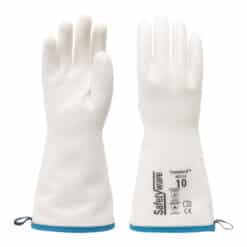
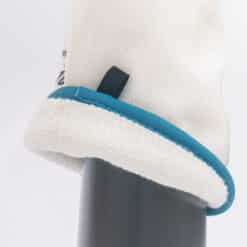
Cold Resistant Gloves
SAFETYWARE TempGard™ HCG14 Heat & Cold Resistant Liquid Silicone Gloves
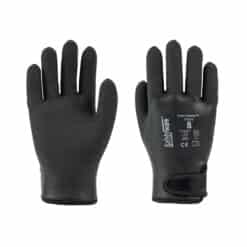
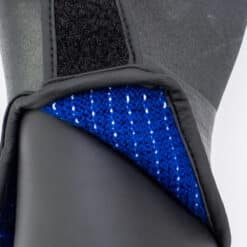
Cold Resistant Gloves
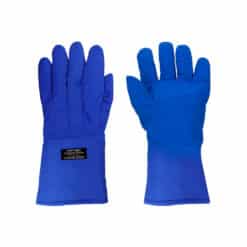
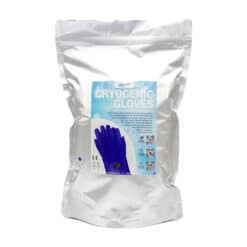
Cold Resistant Gloves
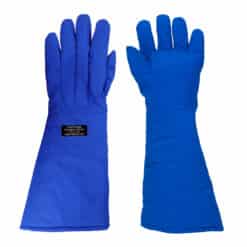
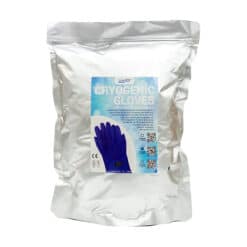
Cold Resistant Gloves
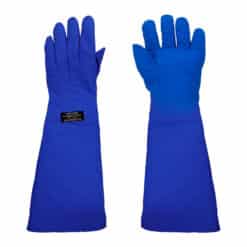
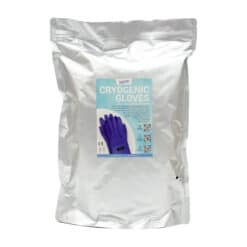
Cold Resistant Gloves
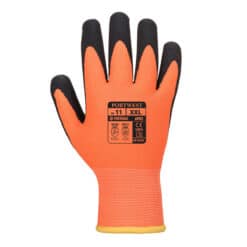
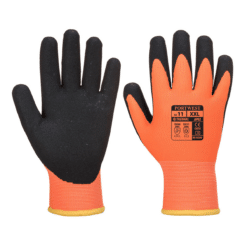
Cold Resistant Gloves
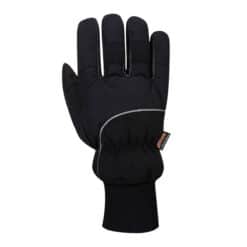
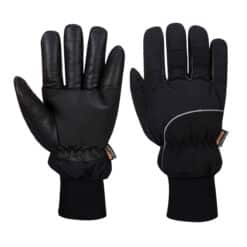
Cold Resistant Gloves
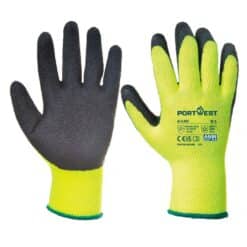
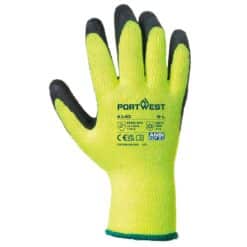
Cold Resistant Gloves
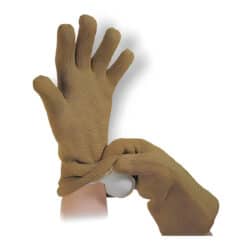
Cold Resistant Gloves