Chemical Resistant for Malaysia and Singapore Workplaces
Chemical resistant clothing helps reduce skin and clothing contact with splashes, light sprays, particles or liquid chemical hazards. Selection should be based on the chemical, concentration, task duration and the protection level stated by the manufacturer.
Chemical Resistant Selection Guide
| Need | Recommended option | Typical application |
|---|---|---|
| Chemical coverall | Full body splash or contamination control | Check material and seam performance |
| Chemical jacket and pants | Reusable splash protection | Useful for washdown or maintenance |
| Chemical apron or sleeves | Targeted front or arm protection | Good when full garment is unnecessary |
| Disposable protective clothing | Short-term contamination control | Reduce laundering and cross-contamination risk |
Compliance and Selection Notes
For Malaysia, body protection used for chemical hazards should consider DOSH PPE approval expectations, SDS information and chemical risk assessment under relevant OSH and chemical management requirements. For Singapore, PPE selection should align with WSH risk management duties and safe work procedures. ISO 13688 is commonly used as a general reference for protective clothing ergonomics, sizing, marking and manufacturer information, while task-specific standards should be checked for chemical, heat, flame, arc or visibility performance.
Chemical Resistant FAQ
How should body protection be selected?
Start with the hazard, then choose the garment material, coverage, protection level, size and compatibility with other PPE. Comfort and correct fit matter because workers must be able to move safely and wear the clothing correctly.
Can one garment protect against every hazard?
No. Chemical splash, flame, heat, arc flash, cold, rain, contamination and visibility hazards need different garment materials and standards. Check the product datasheet and site risk assessment before use.
Need help choosing? Contact Safetyware for body protection selection, quotation support or PPE project enquiries.
Related body protection ranges: aprons, chemical resistant clothing, flame and heat resistant apparel, high visibility apparel, rainwear and Body Protection.

Chemical Resistant

Chemical Resistant

Chemical Resistant
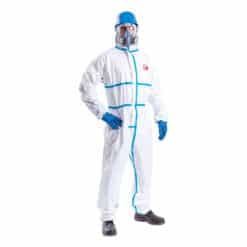

Chemical Resistant
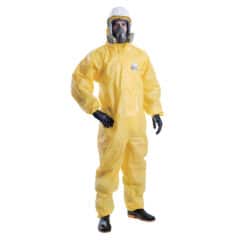

Chemical Resistant
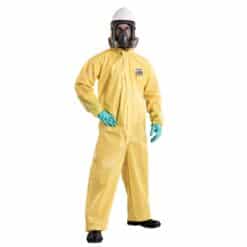
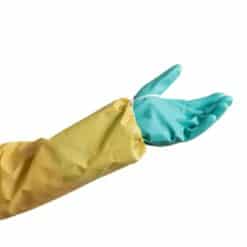
Body Protection
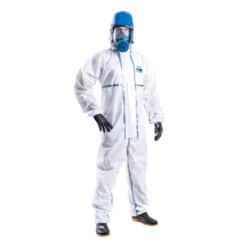

Chemical Resistant
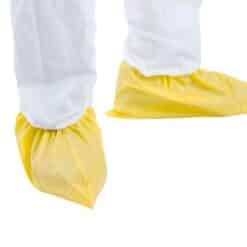
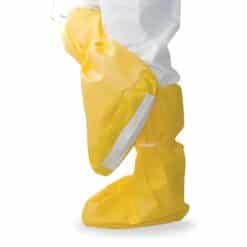
Chemical Resistant
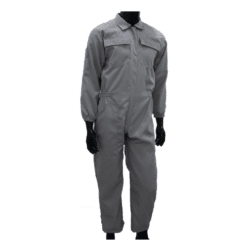
Chemical Resistant
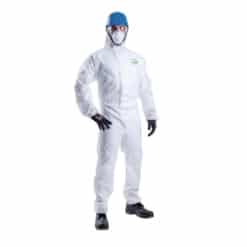
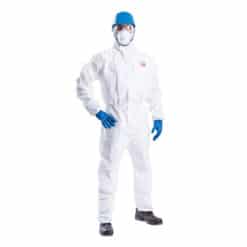
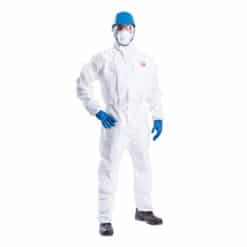
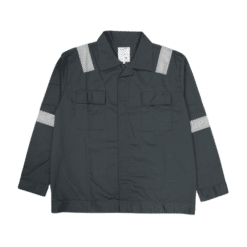
SAFETYWARE Chemical Resistant Coverall without Reflective Tape
Chemical Resistant
Chemical Resistant
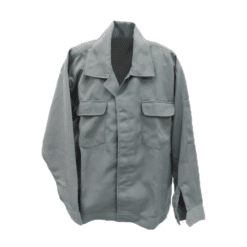
SAFETYWARE Chemical Resistant Jacket (Without Reflective Tape & Hood)
Chemical Resistant
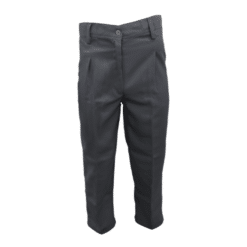
SAFETYWARE Chemical Resistant Pants (Without Reflective Tape)