Monitoring Instruments for Workplace Safety and Hygiene
Safetyware supplies monitoring instruments for industrial hygiene, environmental checks, compressed-air quality, noise exposure, vibration, gas analysis and water-quality monitoring in Malaysia and Singapore workplaces. These instruments support factories, laboratories, confined-space work, shipyards, utilities, construction, oil and gas, wastewater, cleanrooms and maintenance teams.
Monitoring Instrument Selection Guide
| Measurement need | Recommended instrument | Selection cue |
|---|---|---|
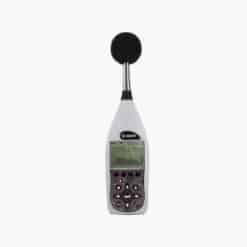
| Noise exposure and hearing conservation | Personal noise dosimeter or sound level meter | Check IEC/ANSI class, exchange rate, criterion level, calibration and report needs |
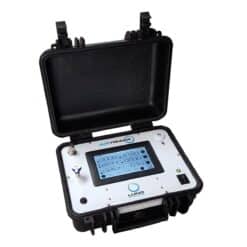
| Compressed breathing air | Portable air quality monitoring system | Monitor O2, CO, CO2, dew point, pressure and oil where supplied-air systems are used |
| Toxic gas or process check | Gas analyzer or H2S sensor | Confirm gas type, range, alarm levels, sensor life and calibration gas |
| Water or wastewater check | Water quality monitor | Match pH, conductivity, turbidity, dissolved oxygen or other parameters to the process |
| Heat or environmental stress | WBGT or environmental meter | Use spot checks or continuous monitoring for outdoor and hot-work planning |
Standards, Calibration and Procurement Notes
Monitoring instruments should be selected around a written sampling plan rather than bought by sensor name alone. Malaysia buyers should consider DOSH noise exposure requirements, competent-person assessments and valid calibration of noise measurement equipment. Singapore workplaces should review WSH Noise Regulations, heat-stress guidance and any customer or sector-specific monitoring requirements.
Common Questions
How should monitoring instruments be selected?
Start with the hazard, parameter, expected range, sampling method and report requirement. Then check sensor accuracy, calibration interval, data logging, alarm settings and user training.
Why is calibration important?
Calibration helps readings stay traceable and defensible. Keep calibration certificates, bump-test or field-check records, sampling notes and instrument settings with the monitoring report.
Can Safetyware help with selection or quotation?
Yes. Contact Safetyware with your application, parameter, measurement range, quantity and any DOSH, WSH or customer requirement.
Related Support
Need help selecting monitoring instruments, calibration support or a project quotation? Contact Safetyware with the parameter to be measured, site type, expected range, data logging needs and delivery location. Related categories include Gas Detection, Respiratory Protection, Hearing Protection and Safety Signs.