Hearing Protection PPE for Noisy Workplaces
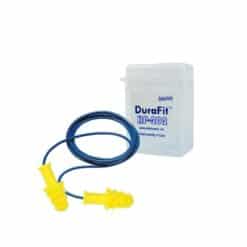
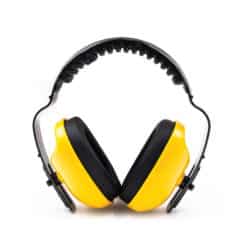
Hearing protection helps workers reduce exposure to hazardous noise from machinery, grinding, cutting, construction, manufacturing, aviation, logistics and maintenance work. Safetyware supplies disposable ear plugs, reusable ear plugs, metal-detectable ear plugs, dispensers, headband earmuffs, helmet-mounted earmuffs and hearing protection kits for Malaysia and Singapore workplaces.
How to Choose Ear Plugs or Earmuffs
| Workplace need | Recommended protection | Selection note |
|---|---|---|
| Continuous high-noise work | Foam ear plugs or high-attenuation earmuffs | Confirm SNR/NRR and train workers on correct fit |
| Intermittent noise exposure | Banded plugs or earmuffs | Easy removal and refitting can improve compliance |
| Food or process manufacturing | Metal-detectable corded ear plugs | Supports contamination-control and traceability routines |
| Helmet-required work | Helmet-mounted earmuffs | Check compatibility with the safety helmet and other PPE |
| Shared access points | Ear plug dispenser or refill pack | Keeps disposable plugs clean, visible and easy to replenish |
Noise Regulations and Hearing Conservation Context
In Malaysia, hearing protection selection should support the Occupational Safety and Health (Noise Exposure) Regulations 2019, DOSH hearing protector approval requirements and the Industry Code of Practice for Management of Occupational Noise Exposure and Hearing Conservation 2019. In Singapore, WSH Noise Regulations 2011 and SS 657:2020 support noise monitoring, noise control, hearing protectors, training and hearing conservation programmes. PPE should sit within a broader noise-control plan, not replace engineering or administrative controls.
Hearing Protection FAQ
What is the difference between SNR and NRR?
SNR and NRR are attenuation ratings used to compare hearing protectors. They are not identical test systems, so use them as selection guidance and confirm suitability with workplace noise assessment results.
When should workers use hearing protection?
Use hearing protection where noise assessment, hearing protection zones, task risk assessment or site procedure indicates that exposure may be excessive or harmful.
Are ear plugs or earmuffs better?
Neither is always better. Ear plugs are compact and hygienic when disposable; earmuffs are easier to supervise and refit. Some high-noise tasks may require dual protection after assessment.
Need help choosing? Contact Safetyware for hearing protection selection, quotation support or workplace PPE enquiries.
Explore related hearing protection ranges: ear plugs and earmuffs.