
Immobilization Equipment for Rescue and Patient Handling
Immobilization products such as splints and cervical collars support trained responders when managing suspected fractures, limb injuries or neck/spine concerns before professional medical care. They are useful for first aid rooms, rescue teams, sports facilities, events, emergency vehicles and higher-risk worksites.
How to Select Splints and Immobilization Products
| Response need | Useful product | Selection cue |
|---|---|---|
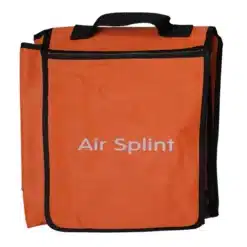
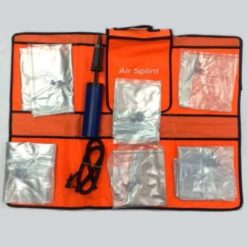
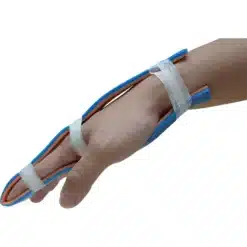
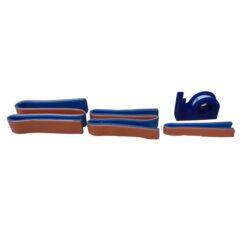
| Limb support | Air cushion splint or finger splint | Size range, inflation method, X-ray transparency and storage |
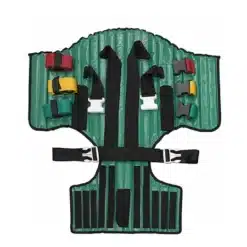
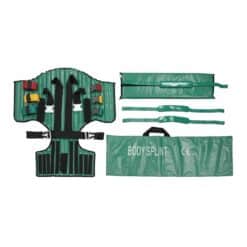
| Body or suspected spinal support | Body splint | Strap layout, support structure and trained application |
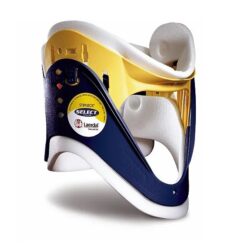
| Neck support | Cervical collar | Adjustability, adult size fit and storage readiness |
| Transfer planning | Immobilization plus stretcher | Patient handling method and responder coordination |
Standards, Readiness and Procurement Notes
Immobilization products should be used by trained personnel following the emergency response procedure. Poor application or unnecessary movement can worsen injury risk, so training and drill practice matter as much as product availability.
Common Questions
When should splints be used?
Splints are used when trained responders need temporary stabilization of suspected fractures or injured limbs before further medical assessment.
Can anyone apply a cervical collar?
It should be applied by trained personnel according to the site emergency procedure and the product instructions.
Should immobilization items be inspected?
Yes. Check straps, valves, buckles, inflation parts, cleanliness, storage bags and overall condition during emergency equipment inspections.
Related Support
Need help matching first aid boxes, rescue kits, trauma bags, splints, CPR barriers or stretchers to your workplace risk? Contact Safetyware for product guidance and quotation support. You can also review related AED and CPR equipment, emergency eyewash and shower, respiratory protection and body protection for a more complete emergency-readiness programme.
Immobilization
Immobilization
Immobilization
Immobilization