
Safety Cabinets and Chemical Storage Cabinets
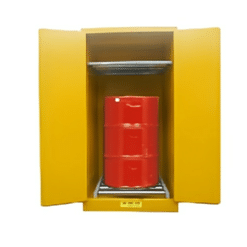
Safety cabinets support safer storage of flammable liquids, corrosive chemicals, emergency PPE and workplace supplies. They help teams keep hazardous materials visible, separated and easier to manage during daily operations, inspections and emergency planning.
Cabinet Selection Guide
| Cabinet type | Best suited for | Selection note |
|---|---|---|
| Flammable safety cabinet | Solvents, fuels, paints and combustible liquids | Check fire-rating expectations, capacity, door style, grounding and ventilation policy |
| Corrosive cabinet | Acids, alkalis and aggressive chemicals | Confirm chemical compatibility, sump tray and corrosion-resistant construction |
| PPE or emergency cabinet | Respirators, gloves, spill response or emergency gear | Keep equipment clean, visible and accessible near response points |
| Mobile or roller cabinet | Maintenance stores and flexible work areas | Use where controlled mobility and organised storage are useful |
Compliance Notes
For chemical storage in Malaysia, align cabinet selection with SDS information, chemical compatibility and DOSH chemical management guidance. For Singapore projects involving flammable liquids, SS 532 and SCDF requirements may influence storage quantity, location and fire-safety planning. International references such as NFPA 30 and FM approval are useful when comparing flammable cabinet construction.
FAQ
Can corrosive chemicals be stored in a flammable cabinet?
Not automatically. Corrosive chemicals should be stored according to SDS compatibility, often in corrosion-resistant cabinets or trays designed for acids and aggressive chemicals.
What information is needed before choosing a cabinet?
Confirm chemical type, container size, total volume, SDS storage instructions, indoor or outdoor location, access frequency and whether fire, corrosion or spill containment is the main risk.
Need help choosing? Contact Safetyware for product selection, quotation support or project enquiries.
Related storage categories: safety cans, spill containment and Safety Storage & Containment.
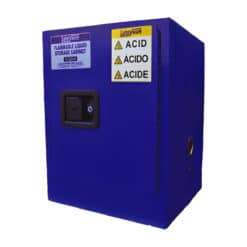
Safety Cabinets and Storage
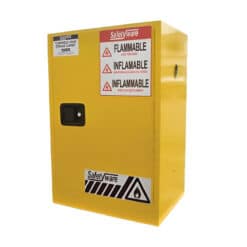
Safety Cabinets and Storage
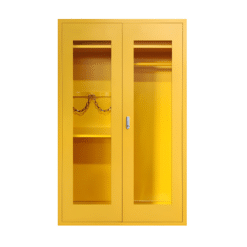
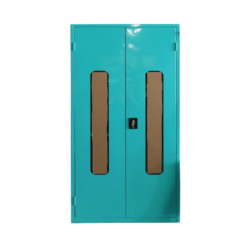
Safety Cabinets and Storage
SAFETYWARE PPES200 Emergency Equipment Storage Cabinet (PPE Cabinet)
Safety Cabinets and Storage
Safety Cabinets and Storage
Safety Cabinets and Storage

Safety Cabinets and Storage