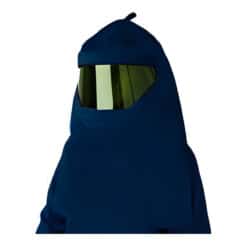
Head Covers for Hygiene, Heat and Site Comfort
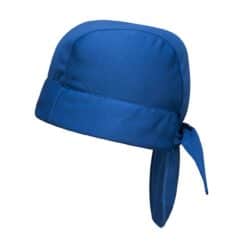
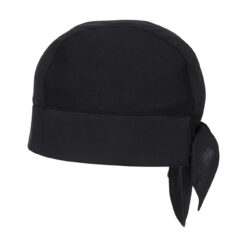
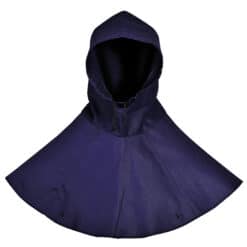
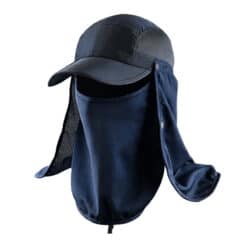
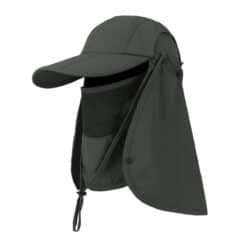
Head covers help manage hair containment, hygiene, dust, sun, cold, heat or task-specific comfort needs. They support food processing, laboratories, clean areas, outdoor work, welding support and general PPE programmes.
How to Select Head Protection
| Head cover need | Typical option | Selection note |
|---|---|---|
| Hair containment | Netting or fabric cap | Food, hygiene and light industrial use |
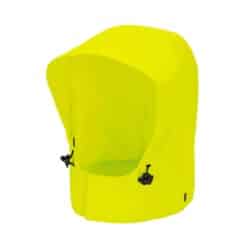
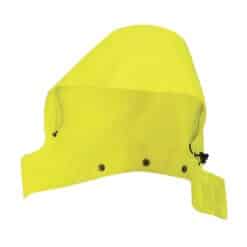
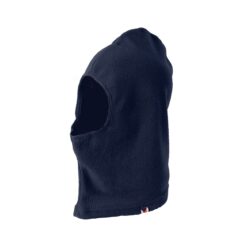
| Cold or outdoor work | Balaclava, hood or liner | Check helmet fit and visibility |
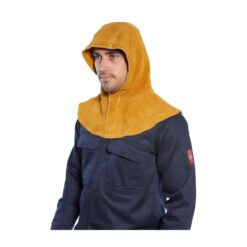
| Heat or spark exposure | Leather or aluminized hood | Match task and face protection |
Standards, Fit and Maintenance Notes
Head protection should be selected from the risk assessment, not only by colour or price. Check the declared standard, approval documentation, manufacturing date, shell condition, suspension fit and compatibility with eyewear, face shields, earmuffs or electrical PPE where required.
Common Questions
How do I choose the right head protection?
Start with the hazard: falling objects, side impact, low clearance, heat, electrical exposure, hygiene or rescue work. Then compare helmet type, standard, suspension, chinstrap, ventilation and accessory compatibility.
Are bump caps the same as safety helmets?
No. Bump caps are for minor bumps against fixed objects. They are not a replacement for industrial safety helmets where falling-object or impact hazards are present.
Can Safetyware help with helmet selection or printing?
Yes. Contact Safetyware to compare safety helmets, bump caps, head covers, accessories, standards and custom helmet printing or branding options.
Related Support
Need help comparing safety helmets, bump caps, head covers, chinstraps or specialty helmets? Contact Safetyware for product guidance, standards documentation or quotation support. You can also compare related eye and face protection, hearing protection and electrical head protection options where the task involves multiple hazards.
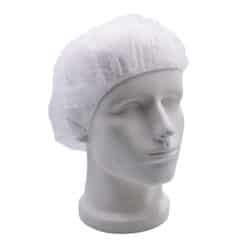
Disposable Hygiene Apparel
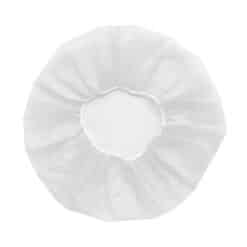
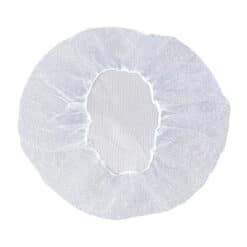
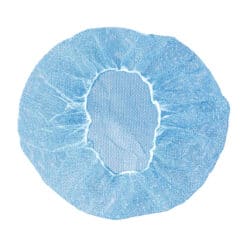
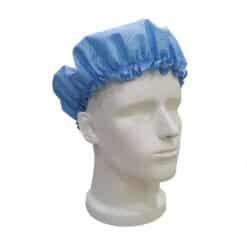
Head Cover
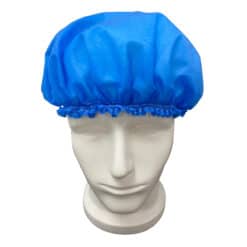
Head Cover
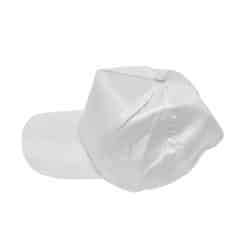
Head Cover
Head Cover
Head Cover
Head Cover
Head Cover