Full Body Safety Harnesses for Fall Arrest and Positioning
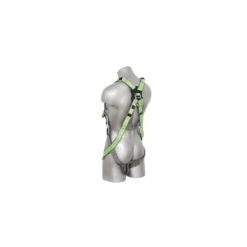
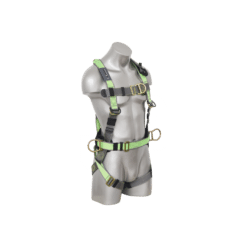
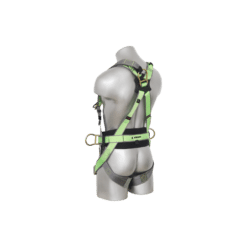
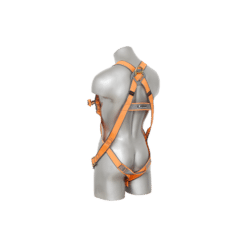
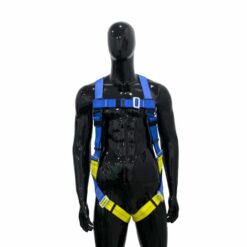
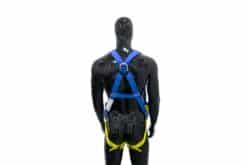
A full body safety harness distributes fall arrest forces and provides attachment points for lanyards, SRLs, positioning systems or rescue. Fit, adjustment, D-ring layout and comfort influence both protection and worker acceptance.
How to Select the Right Fall Protection Equipment
| Harness feature | Why it matters | Typical application |
|---|---|---|
| Rear D-ring | Primary fall arrest attachment | General work at height |
| Front/chest attachment | Climbing or guided arrester systems | Ladder and vertical access |
| Side D-rings | Work positioning only where suitable | Pole or structure positioning |
Standards and Planning Notes
Fall protection should be planned as a system. The safer sequence is to avoid work at height where possible, prevent falls with collective controls where practical, then use personal fall arrest or restraint equipment with a suitable anchor, trained users and a rescue procedure.
Common Questions
What makes a complete fall arrest system?
A complete system normally includes a full body harness, connecting device such as a lanyard or SRL, a suitable anchorage, inspection records and a rescue plan.
Is a safety harness alone enough?
No. A harness must be connected to compatible lanyards, SRLs or lifelines and a suitable anchor point. Fall clearance and rescue arrangements also matter.
Can Safetyware help review options?
Yes. Contact Safetyware to compare harnesses, lanyards, SRLs, anchors, rescue equipment and documentation for Malaysia or Singapore worksites.
Related Support
Need help comparing harnesses, lanyards, SRLs, anchorages or rescue equipment? Contact Safetyware for product guidance, documentation or quotation support.

Harnesses
Harnesses

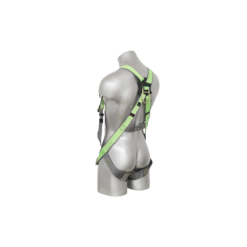
Harnesses

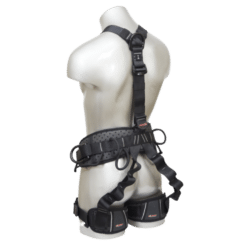
Harnesses
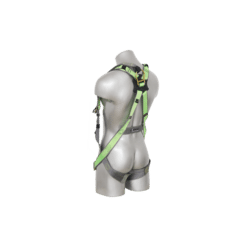
Harnesses


Harnesses
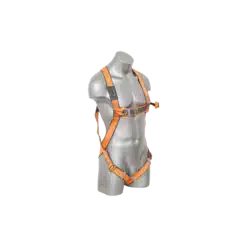
Harnesses