DOSH-SIRIM PPE Approval Guide for Malaysian Employers
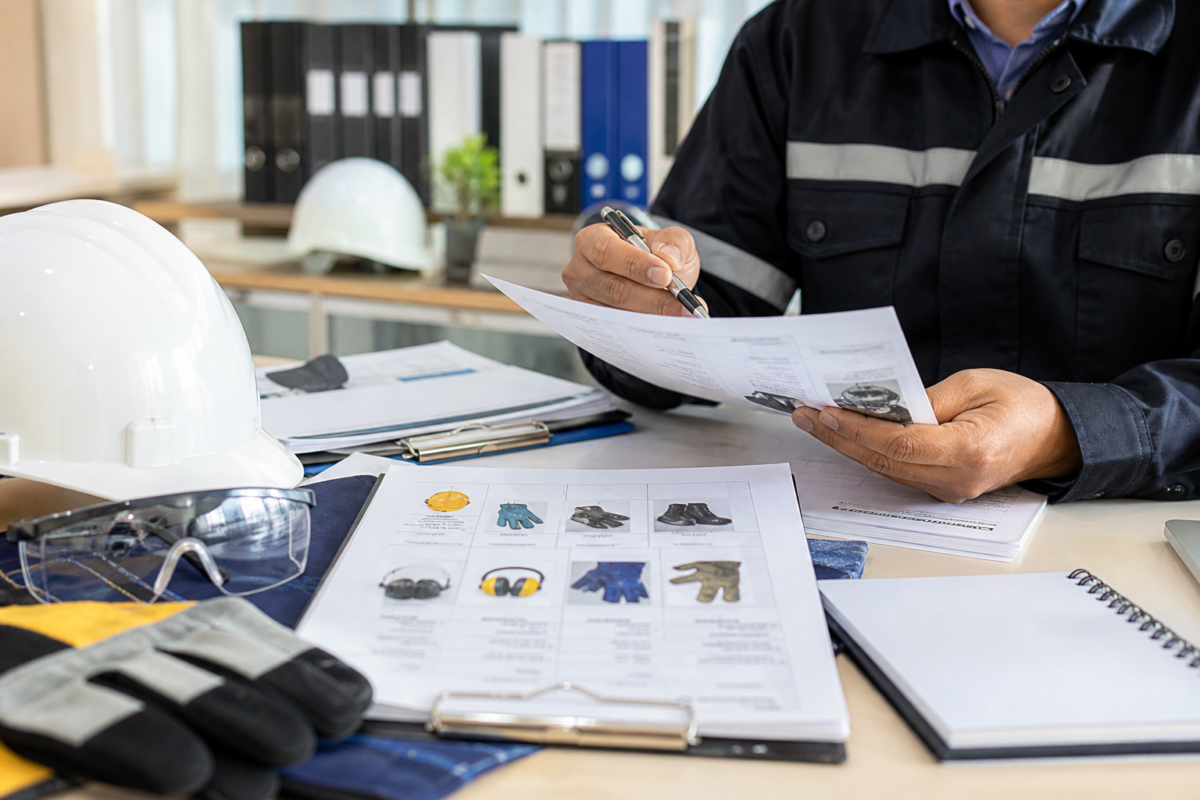
For Malaysian factories, construction sites, warehouses, laboratories and process plants, PPE procurement is more than comparing model numbers. The right choice should connect the site risk assessment, worker fit, compatibility with other PPE, product certification evidence and after-sales support.
The Department of Occupational Safety and Health Malaysia explains that PPE approval is linked to Malaysian occupational safety requirements and applies to workplace PPE including imported and locally manufactured products. Its official PPE page lists categories such as head, foot, hearing, eye, hand, body and fall protection, and respiratory protection as areas requiring approval evidence in relevant circumstances.
What buyers should check before issuing a purchase order
| Procurement check | Why it matters | Practical evidence to request |
|---|---|---|
| Hazard and task fit | PPE should match the residual risk after engineering and administrative controls. | HIRARC or risk assessment notes, task description and exposure level. |
| Approval and certification evidence | Regulated PPE may need DOSH-SIRIM approval or supporting certification documents. | Product certificate, type test report, valid model listing and manufacturer or distributor authorisation where applicable. |
| Worker acceptance | PPE that is uncomfortable, incompatible or difficult to maintain often fails in real use. | Fit trials, size range, training notes and compatibility checks. |
| Lifecycle support | Consumables, spare parts and replacement availability affect long-term compliance. | Catalogue, datasheet, replacement schedule and local support contact. |
PPE categories where evidence is especially important
Evidence checks are particularly important for safety helmets, safety footwear, hearing protection, chemical-resistant gloves, chemical eye and face protection, respiratory protection, fall protection equipment, chemical protective clothing and other PPE used for higher-risk workplace exposures.
Safetyware supports procurement teams with products, documentation review, product comparison and practical recommendations across head protection, safety footwear, respiratory protection, hand protection and fall protection.
Common procurement mistakes
- Buying by price before confirming the risk level and standard.
- Accepting a generic certificate that does not match the exact model supplied.
- Ignoring compatibility, such as helmet plus earmuff fit or goggles plus respirator seal.
- Forgetting replacement parts, shelf life, inspection and user training.
- Using one PPE specification across very different tasks or environments.
FAQ
Does every PPE item need the same evidence?
No. Evidence depends on the PPE category, hazard and regulatory requirement. Higher-risk or regulated PPE should be checked more carefully before purchase.
Should employers keep PPE documents?
Yes. Keep datasheets, certificates, approval references, training records and inspection records where relevant. These documents help procurement, audits and incident reviews.
Can Safetyware help compare PPE options?
Yes. Share your task, hazard, standards requirement, quantity and location through the Safetyware inquiry form for a practical recommendation.