EN 388 vs ANSI Cut Resistant Gloves: Selection Guide for Malaysia and Singapore
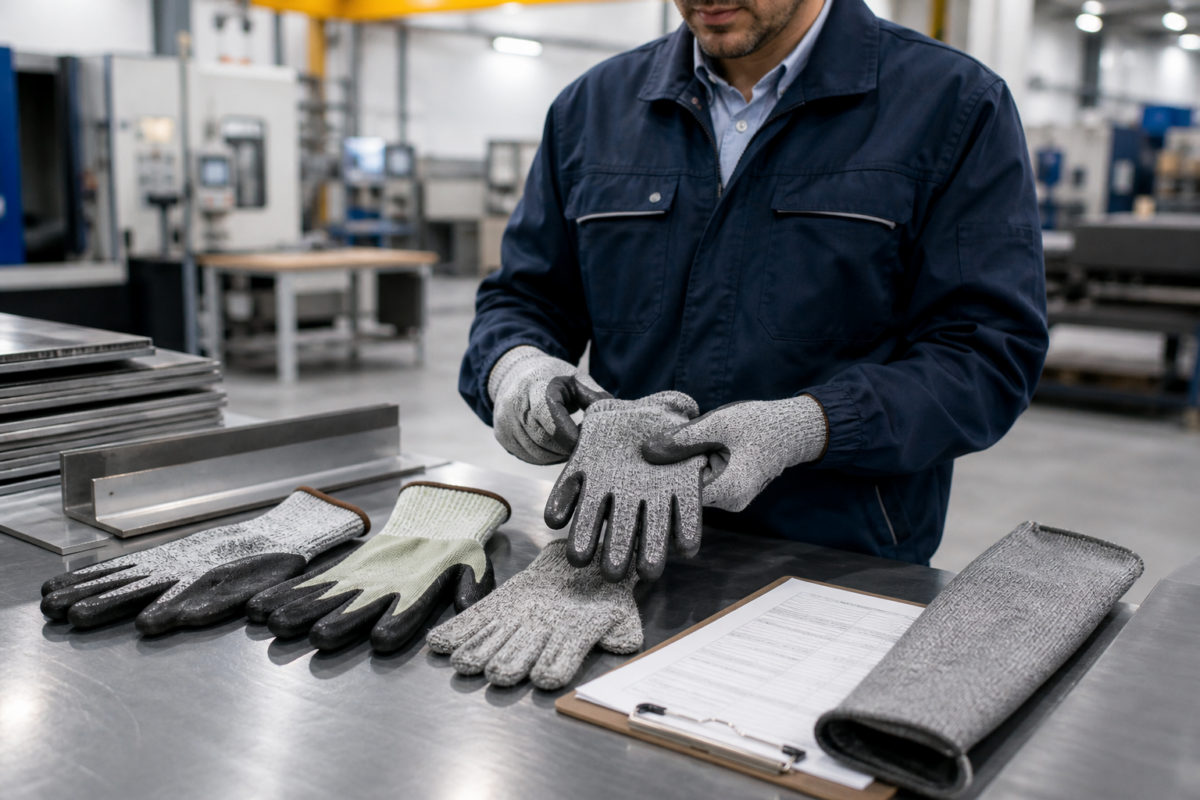
Cut-resistant gloves are often bought after a hand injury, but the better approach is to map the task before the incident happens. Sheet metal, glass, plastic trimming, blades, wires, stamped parts and maintenance work can all need different glove constructions even when the headline cut level looks similar.
How EN 388 and ANSI/ISEA 105 are used
| Comparison point | EN 388 | ANSI/ISEA 105 |
|---|---|---|
| Common use | Widely seen on gloves sold into markets using European-style PPE markings. | Commonly used by buyers who want a numerical cut-level scale for hand protection. |
| Best procurement use | Useful for a wider mechanical-risk picture including abrasion, tear, puncture and cut. | Useful when comparing cut resistance levels across glove families and job tasks. |
| Common mistake | Buying only from the highest visible rating without checking comfort and grip. | Assuming one high cut level is suitable for every department. |
Selection method that works on real sites
Start with the material being handled, the sharpness of the edge, force applied, duration, wet or oily conditions and whether the user also needs heat, chemical, ESD or cleanroom control. A glove that scores well but feels too bulky may not be worn consistently.
For Malaysia, chemical-protective hand protection may need supporting evidence under DOSH-SIRIM PPE approval requirements. In Singapore, hand protection should be connected to WSH risk assessment, worker training and review after task changes.
Related Safetyware pathways
FAQ
Should I always buy the highest cut level?
No. Higher cut resistance can reduce dexterity and comfort. Select the level that controls the hazard while allowing the worker to grip, move and complete the task safely.
Do cut-resistant gloves protect against puncture?
Not automatically. Cut, puncture, abrasion and needle-stick resistance are different performance areas. Check the datasheet and test evidence for the actual hazard.
Official references
- ANSI/ISEA 105-2024 hand protection classification
- DOSH Malaysia PPE approval information
- Singapore WSH Council risk management resources
Need help matching standards to products?
Share the task, hazard, target country, preferred standard, quantity and documentation needs through the Safetyware inquiry form. Safetyware can help route product, training, documentation and service enquiries to the right team.