
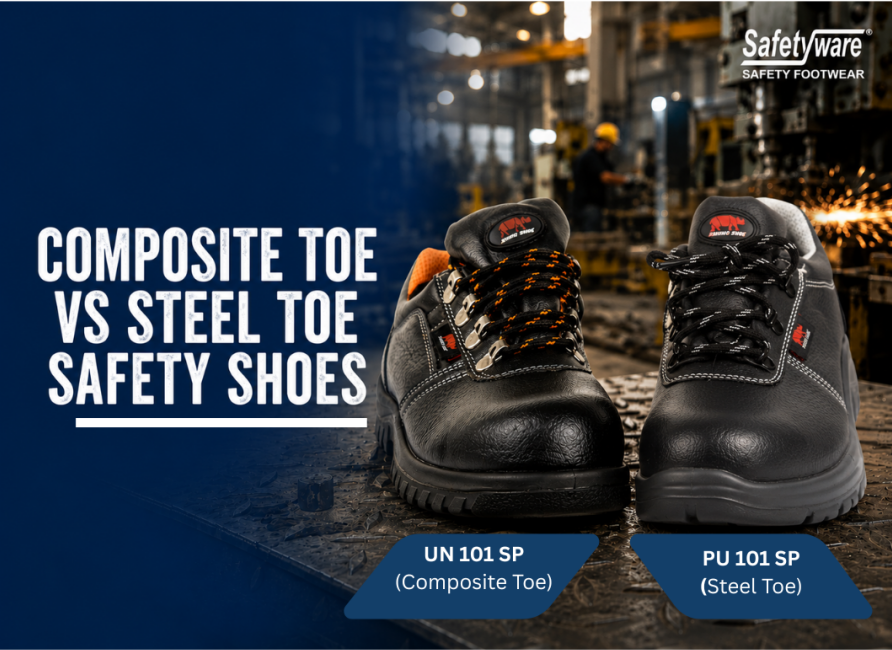
Composite Toe vs Steel Toe Safety Shoes: Which One Is Right for You?
If you’ve ever shopped for safety shoes, you’ve probably come across one common question which is whether to choose composite toe or steel toe cap.
At first glance, they look almost identical and are both designed to protect your feet from workplace hazards. Hence, both types meet recognized safety standards, therefore we always confuse what is the difference. In reality, the difference isn’t about which one is safer, it’s about which one is better suited to your job.
In this guide, we’ll compare composite toe vs steel toe safety shoes, explain their advantages and limitations, and help you determine which option best suits your workplace.
What Are Steel Toe Safety Shoes?
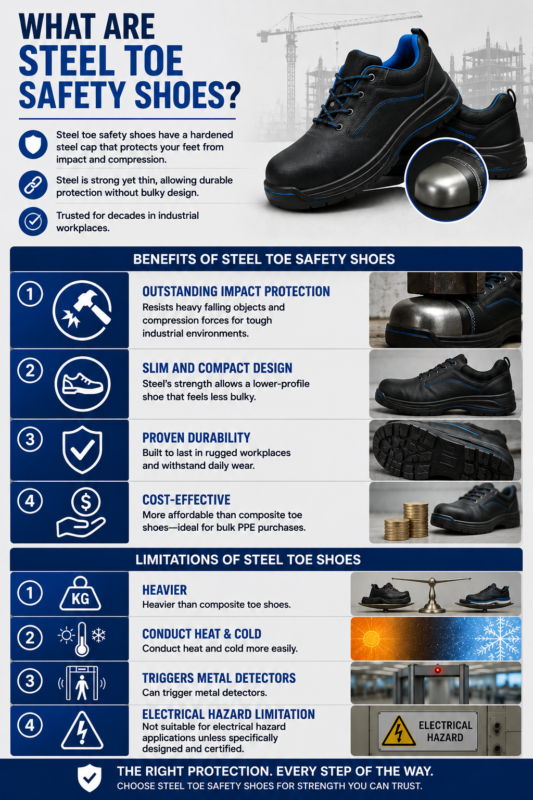
Steel toe safety shoes are the traditional and most widely recognised type of protective footwear. They feature a cap made from hardened steel positioned over the toe area to shield the foot from impact and compression. Steel toe footwear has been trusted for decades because steel offers exceptional strength while remaining relatively thin. This allows manufacturers to create durable footwear without making the toe area excessively bulky.
Benefits of Steel Toe Safety Shoes:
Outstanding Impact Protection
Steel toe caps provide excellent resistance against heavy falling objects and compression forces, making them suitable for demanding industrial environments.
Slim and Compact Design
Because steel is extremely strong, less material is required to achieve the required protection. This often results in a lower-profile shoe that feels less bulky.
Proven Durability
Steel toe shoes are known for their long service life, particularly in rugged workplaces where footwear is subjected to constant wear.
Cost-Effective
Compared with composite toe footwear, steel toe shoes are often more affordable, making them a popular choice for businesses purchasing PPE in bulk.
Limitations of Steel Toe Safety Shoes
Despite their strength, steel toe aren’t the ideal solution for every worker.
Some disadvantages include:
- Heavier than composite toe shoes.
- Conduct heat and cold more easily.
- Can trigger metal detectors.
- Not suitable for certain electrical hazard applications unless specifically designed and certified.
What Are Composite Toe Safety Shoes?
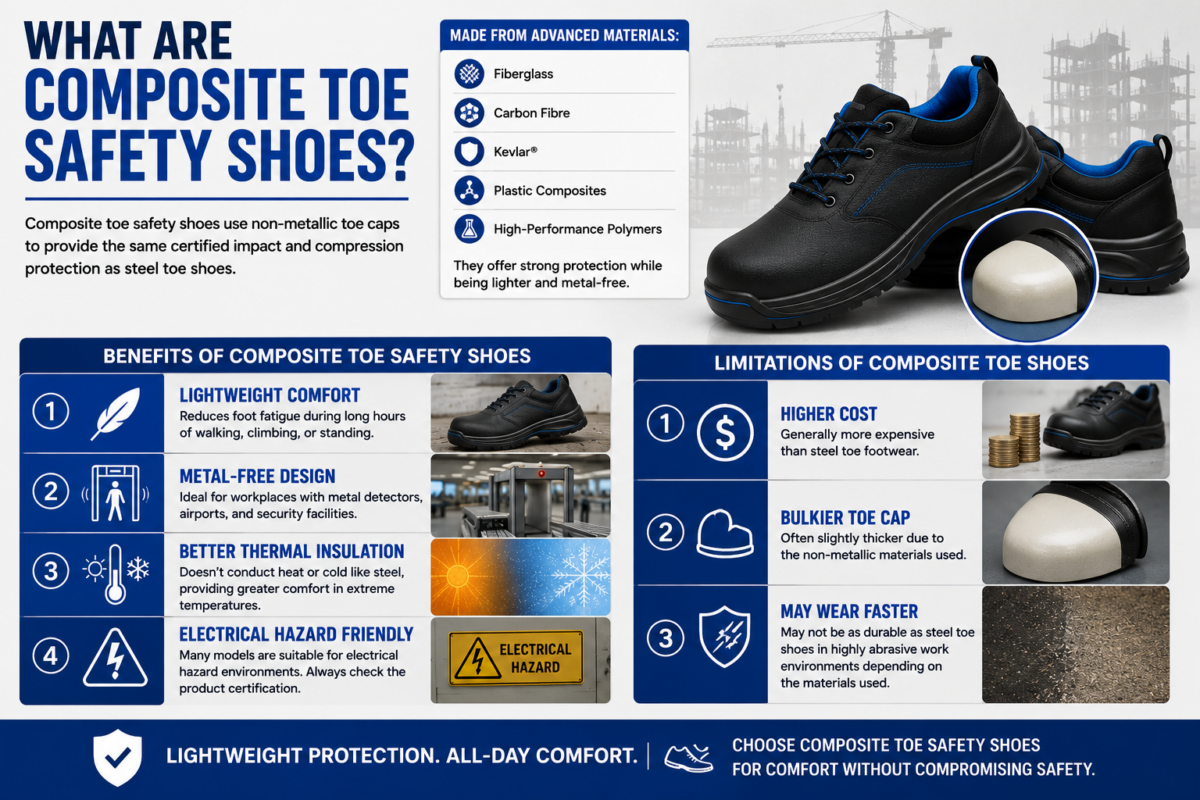
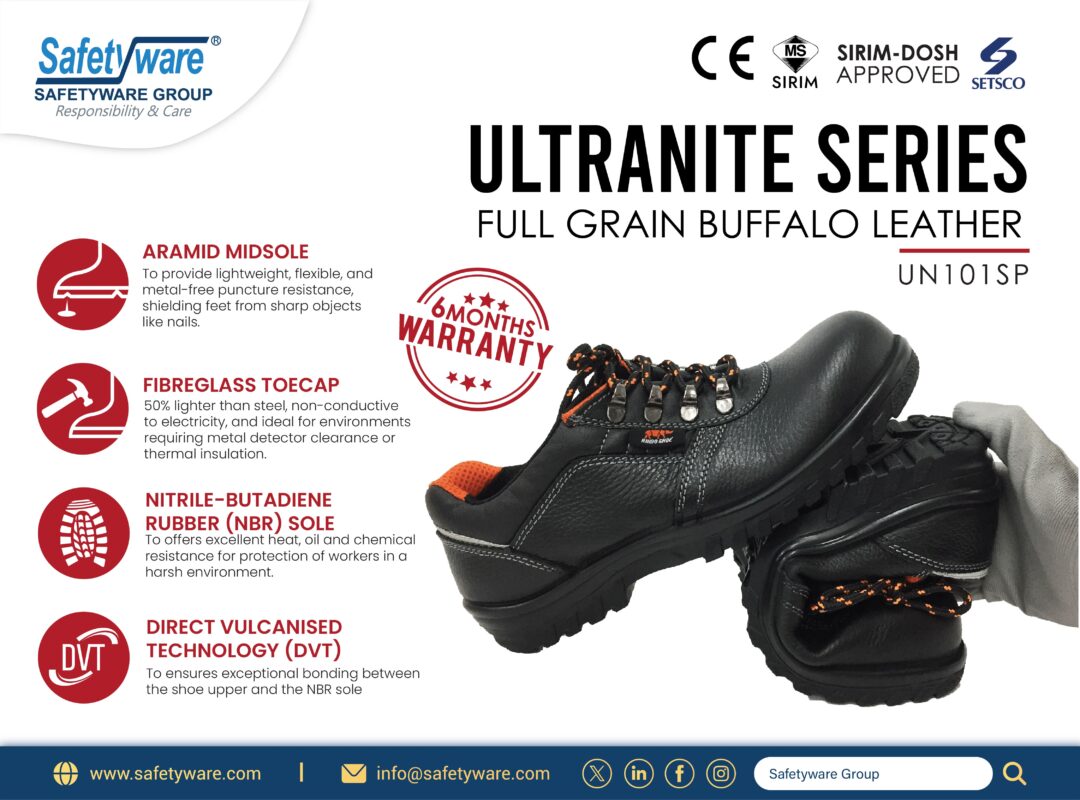
Composite toe safety shoes provide the same level of certified toe protection but use non-metallic materials instead of steel.
Common composite materials include:
- Fiberglass
- Carbon fibre
- Kevlar
- Plastic composites
- High-performance polymers
Although lighter than steel, these advanced materials are engineered to withstand the same safety standards for impact and compression.
Benefits of Composite Toe Safety Shoes
Lightweight Comfort
One of the biggest advantages of composite toe footwear is its lighter weight.Workers who spend long hours walking, climbing stairs, or standing throughout the day often experience less fatigue compared with heavier steel toe footwear.
Metal-Free Construction
Because they contain no metal, composite toe shoes are ideal for workplaces with metal detectors, airports, security facilities, and correctional institutions.
Better Thermal Insulation
Composite materials do not conduct heat or cold as efficiently as steel. This makes them a more comfortable option for workers exposed to very hot or very cold environments.
Suitable for Electrical Hazard Work
Many composite safety shoes are designed to provide electrical hazard protection because there are no exposed metal components in the toe cap. However, always check the product’s certification to ensure it meets the required safety standard for your workplace.
Limitations of Composite Toe Shoes
Composite toe footwear also has some considerations:
- Usually more expensive than steel toe shoes.
- Toe caps are often slightly bulkier.
- May not last as long in extremely abrasive environments depending on the materials used.
Composite Toe vs Steel Toe: Side-by-Side Comparison
| Feature | Steel Toe | Composite Toe |
| Protection | Excellent | Excellent |
| Safety Standard Compliance | ✔ Yes | ✔ Yes |
| Weight | Heavier | Lighter |
| Comfort for Long Hours | Good | Excellent |
| Metal Detector Friendly | ❌ No | ✔ Yes |
| Heat & Cold Insulation | Lower | Higher |
| Electrical Hazard Applications | Product dependent | Often preferred |
| Durability | Excellent | Very Good |
| Cost | More affordable | Generally higher |
Which Safety Shoe Is Better for Your Job?
Choose Steel Toe Safety Shoes If You:
- Work with heavy machinery
- Handle steel materials
- Need maximum durability
- Work in construction
- Frequently lift heavy loads
- Want a cost-effective solution
Steel toe footwear remains the preferred choice for demanding industrial applications where durability and strength are priorities.
Choose Composite Toe Safety Shoes If You:
- Walk long distances throughout the day
- Work in warehouses or logistics
- Frequently pass through security checkpoints
- Need lightweight footwear
- Work in hot or cold environments
- Require metal-free PPE
Composite toe shoes are increasingly popular among workers who value comfort without compromising safety.
Find the Right Safety Shoes at Safetyware
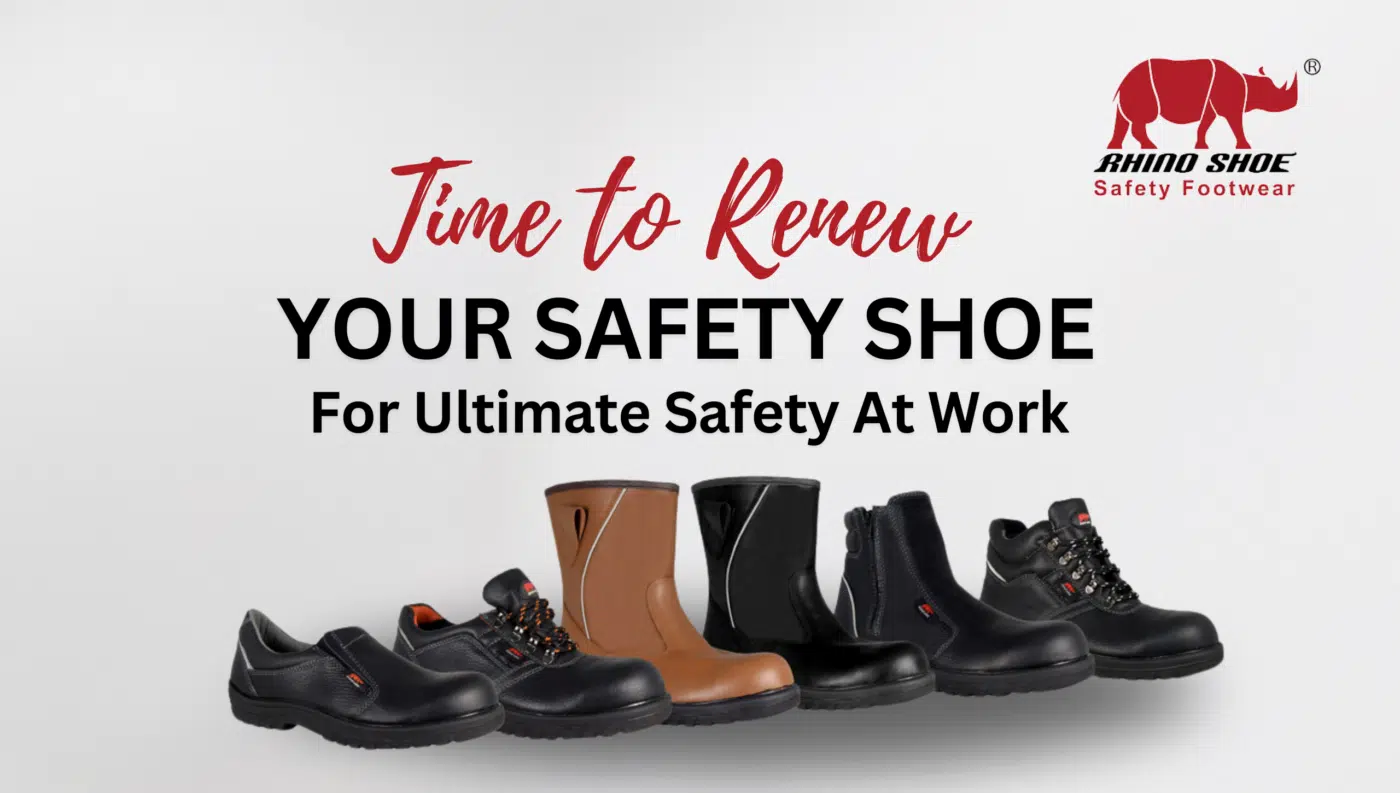
Whether you prefer the rugged durability of steel toe safety shoes or the lightweight comfort of composite toe footwear, choosing certified safety footwear is essential for protecting your feet at work.
At Safetyware, we offer a wide selection of safety shoes designed to meet the demands of construction, manufacturing, logistics, oil & gas, warehousing, engineering, and many other industries. Our range includes both steel toe and composite toe models from trusted brands, available in a variety of styles, sizes, and safety ratings to suit different working environments.
Whether you’re purchasing a single pair or outfitting an entire workforce, our team can help you find safety footwear that balances protection, comfort, and durability.
👉Read more on the difference between Rubber, PU and PVC safety shoes
👉Explore more safety shoes in Safetyware
Frequently Asked Questions (FAQs)
1. Which is better: composite toe or steel toe safety shoes?
Neither is universally better. It depends on your work environment and personal needs. Both steel toe and composite toe safety shoes are designed to meet recognized safety standards for impact and compression protection. Steel toe shoes are generally preferred for heavy-duty industrial work due to their durability, while composite toe shoes are lighter, metal-free, and offer better thermal insulation, making them ideal for workers who prioritize comfort or work in specialized environments.
2. Can a composite toe cap protect as well as a steel toe cap?
Yes. A common misconception is that steel toe caps always provide better protection. In reality, both steel toe and composite toe safety shoes can offer the same certified level of impact and compression resistance with EN ISO 20345 or ASTM F2413, before they can be sold as protective footwear.
3. Are steel toe safety shoes more durable?
Steel toe safety shoes are generally known for their durability, particularly in demanding environments where footwear is exposed to heavy loads, frequent impacts, and rough conditions. However, the overall lifespan of any safety shoe also depends on the quality of its materials, construction, and how well it is maintained.
4. Are composite toe safety shoes lighter than steel toe shoes?
Yes. Composite toe safety shoes are generally lighter because the toe cap is made from non-metallic materials such as fiberglass, carbon fibre, Kevlar, or composite polymers. Their lighter weight helps reduce foot fatigue, especially for workers who spend long hours walking or standing.
📞 Need More Information?
Looking for reliable head protection solutions for your workplace?
Explore SAFETYWARE’s safety shoes and workplace PPE range at
👉Safetyware Safety Shoes Catalogs
Our safety specialists can help evaluate workplace hazards, recommend suitable safety helmets, and support compliance with Malaysia workplace safety requirements.
If you need a quotation, feel free to contact us at:
📩 Email: [email protected]
📞 Tel: WhatsApp Us