

Hazardous gases are often invisible, odorless, and difficult to detect without specialized equipment. In industries such as oil and gas, chemical processing, manufacturing, and confined space operations, exposure to dangerous gases can lead to serious injuries or fatalities.
A portable gas detector helps workers identify hazardous conditions before they become life-threatening. By continuously monitoring the surrounding atmosphere, these devices provide early warnings that allow personnel to take immediate action and move to safety.
What Is a Portable Gas Detector?
A portable gas detector is a compact handheld device designed to monitor air quality and detect the presence of hazardous gases in the workplace.
These devices measure gas concentrations in real time and alert users when gas levels exceed safe limits. Portable gas detectors can monitor toxic gases, oxygen levels, and com0bustible gases, helping workers stay protected in hazardous environments.
Because they are lightweight and easy to carry, portable gas detectors are widely used for personal safety monitoring.
How Does a Portable Gas Detector Work?
Inside every gas detector are specialized sensors designed to detect specific gases.
When gas molecules enter the sensor, a chemical or electrochemical reaction occurs. The detector then measures the gas concentration and displays the reading on the screen.
If the gas level exceeds the preset safety threshold, the detector immediately activates alarms, which may include:
- Audible alarms
- Visual flashing lights
- Vibration alerts
These warnings help workers react quickly and avoid dangerous exposure.
What Gases Can a Portable Gas Detector Detect?
The gases detected depend on the model and sensor configuration.
Common gases monitored include:
- Oxygen (O₂)
- Carbon Monoxide (CO)
- Hydrogen Sulfide (H₂S)
- Ammonia (NH₃)
- Chlorine (Cl₂)
- Combustible gases
Many modern gas detectors can monitor multiple gases simultaneously, making them ideal for complex industrial environments.
Single Gas Detector vs Multi-Gas Detector
Choosing the right detector depends on your workplace hazards and monitoring requirements.
Single Gas Detector
A single gas detector monitors one specific gas.
Benefits include:
- Lightweight design
- Simple operation
- Lower cost
- Ideal for targeted gas monitoring
Common applications:
- Oxygen monitoring
- Carbon monoxide monitoring
- Hydrogen sulfide monitoring
Multi-Gas Detector
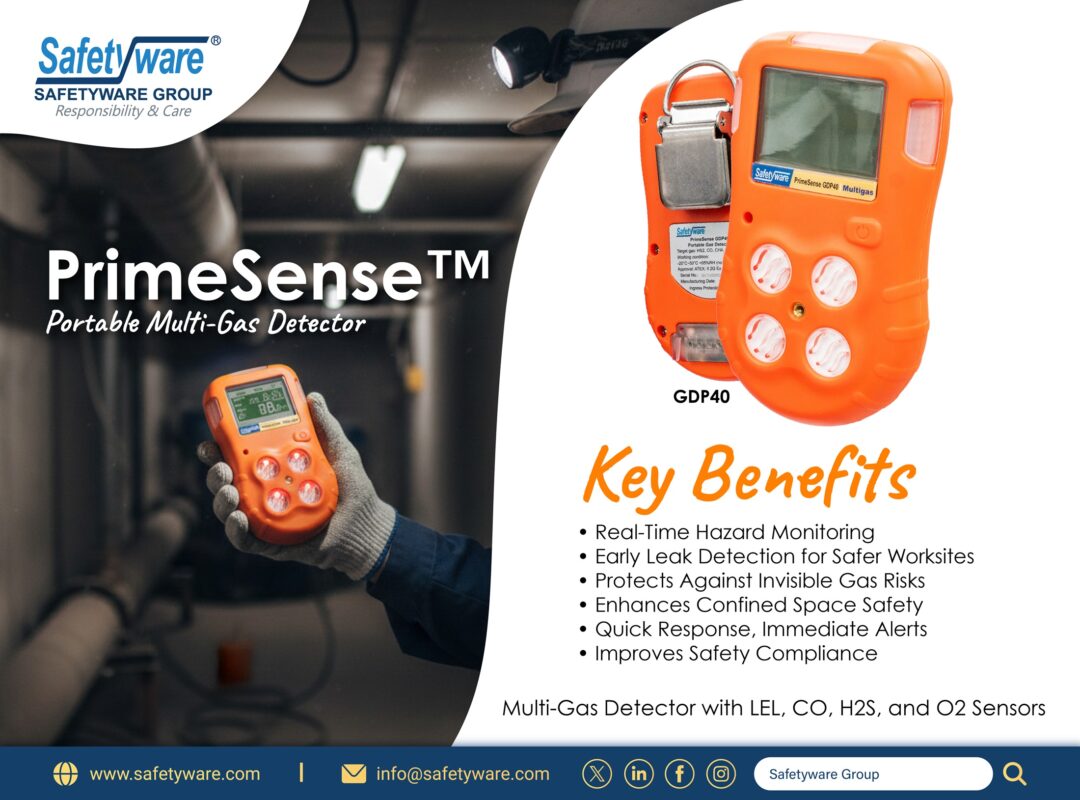
A multi-gas detector can monitor several gases at the same time.
Benefits include:
- Comprehensive protection
- Suitable for confined spaces
- Detects multiple hazards simultaneously
- Improves worker safety in high-risk areas
Common applications:
- Oil and gas facilities
- Chemical plants
- Manufacturing plants
- Wastewater treatment facilities
- Confined space entry
Why Are Portable Gas Detectors Important?
Early Hazard Detection
Dangerous gases cannot always be seen or smelled. Gas detectors provide early warning before conditions become hazardous.
Improved Worker Safety
Continuous monitoring helps prevent exposure to toxic atmospheres and oxygen-deficient environments.
Compliance with Safety Regulations
Many industries require gas monitoring equipment to meet workplace safety standards and regulations.
Essential for Confined Space Entry
Confined spaces may contain oxygen-deficient atmospheres or toxic gases. Gas detectors help identify these risks before workers enter.
Choosing the Right Portable Gas Detector
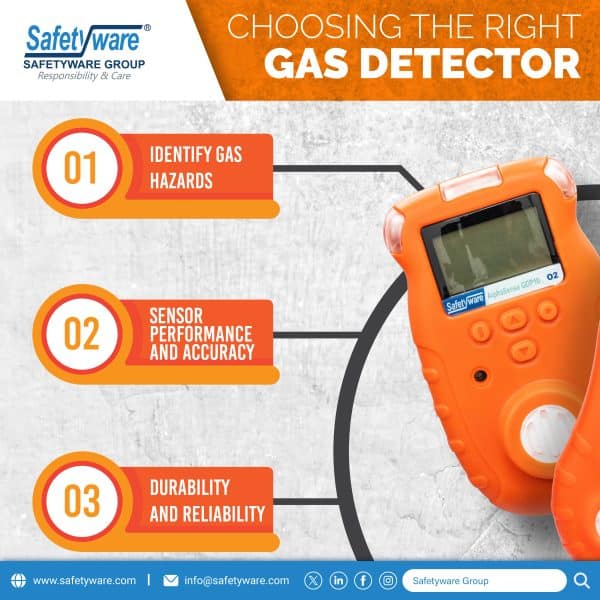
When selecting a gas detector, consider:
- Type of gases present
- Number of gases to monitor
- Work environment
- Sensor technology
- Battery life
- Intrinsically safe approvals
- Calibration requirements
The right detector can significantly improve worker safety and reduce the risk of gas-related incidents.
Protect Workers with Reliable Gas Detection Solutions
A portable gas detector is one of the most important safety devices for hazardous work environments. By providing continuous monitoring and instant alerts, these devices help workers identify dangerous conditions before accidents occur.
Whether you need a single gas detector for targeted monitoring or a multi-gas detector for comprehensive protection, proper gas detection plays a critical role in workplace safety, compliance, and operational efficiency.
Frequently Asked Questions (FAQs)
What is a portable gas detector used for?
A portable gas detector monitors air quality and alerts users when dangerous gas levels are detected.
What gases can a portable gas detector detect?
Common gases include oxygen, carbon monoxide, hydrogen sulfide, ammonia, chlorine, and combustible gases.
What is the difference between a single gas detector and a multi-gas detector?
A single gas detector monitors one gas, while a multi-gas detector can monitor several gases simultaneously.
How often should a gas detector be calibrated?
Most manufacturers recommend calibration every six months, or more frequently in harsh environments.
Can portable gas detectors be used in explosive areas?
Yes, intrinsically safe gas detectors are specifically designed for use in hazardous and potentially explosive environments.
📞 Need More Information?
Your safety matters. If you have questions about which Gas Detector is right for your workplace, we’re here to help!
Visit our website: www.safetyware.com
Cut safely, work confidently – with Safetyware! 🔪✨
Learn more from SAFETYWARE FAQ by clicking HERE!
If you need a quotation, feel free to contact us at:
📩 Email: [email protected]
📞 Tel: WhatsApp Us