Oil and Gas PPE Guide for Petrochemical and Energy Worksites
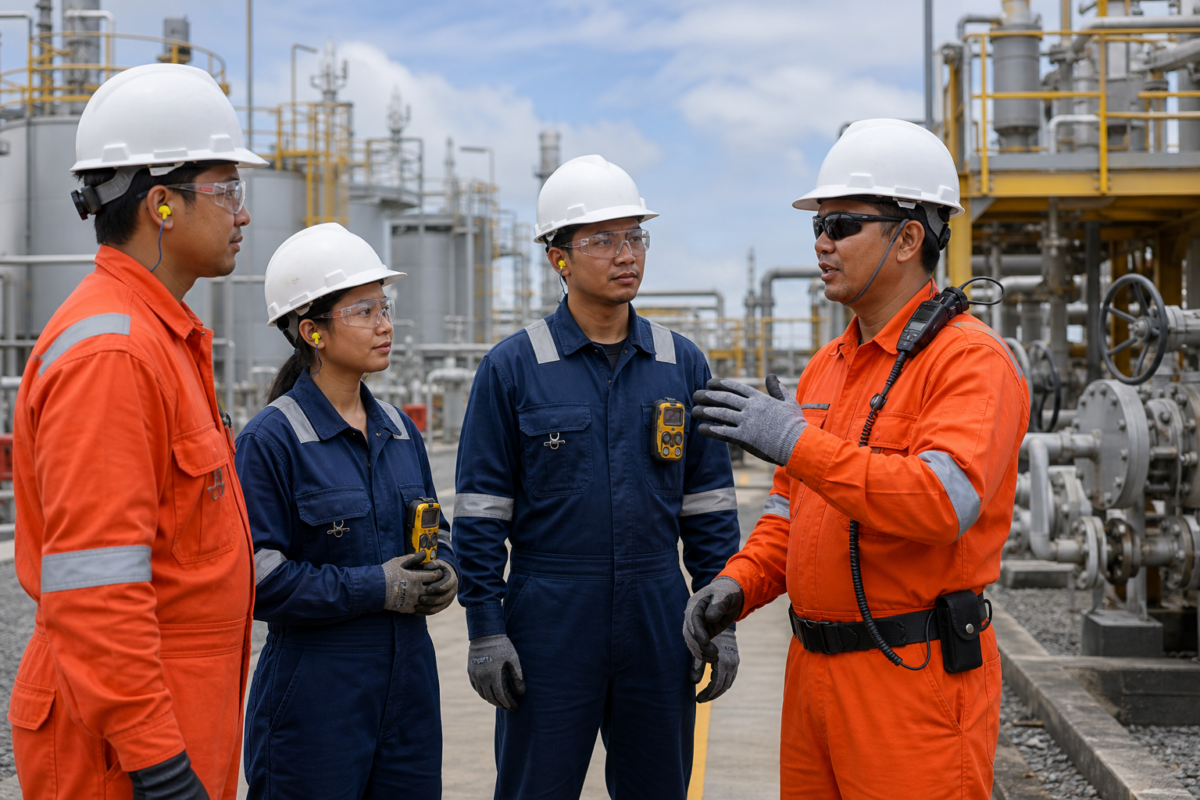
Petrochemical plants, tank farms, terminals, utilities, offshore support and maintenance contractors often need a more disciplined PPE programme than general industrial sites. The risk profile can change quickly when work moves from routine operations to shutdown, confined space, hot work or chemical handling.
Oil and gas PPE and equipment pathway
| Risk area | Typical requirement | Safetyware pathway |
|---|---|---|
| Flame and heat exposure | FR clothing, heat-resistant gloves, suitable eye and face protection | Body protection and hand protection |
| Gas and atmospheric hazards | Portable gas detector, respiratory protection and fit testing where required | Gas detection, respiratory protection, fit testing |
| Working at height | Harness, lanyard, lifeline, anchorage and rescue planning | Fall protection PPE and lifeline systems |
| Chemical handling and spill response | Chemical gloves, splash protection, eyewash, shower and spill kits | Spill control, emergency eyewash and showers, chemical PPE |
Buyer notes for Malaysia and Southeast Asia
Malaysia oil and gas buyers should check task-specific PPE evidence, site safety passport requirements where applicable, contractor rules, permit-to-work expectations and product documentation. For regional work, confirm certification, stock support and replacement parts before mobilising teams.
Safetyware also supports related pathways through Teguh PPE Solutions for oil and gas, government and GLC-focused procurement where suitable.
Related Safetyware guides
- PPE Standards and Certification Evidence Glossary
- DOSH-SIRIM PPE Approval Guide
- Workplace Emergency Equipment Buying Guide
FAQ
Is FR clothing enough for oil and gas work?
No. FR clothing is only one layer. Buyers should also consider gas detection, respiratory protection, gloves, footwear, fall protection, emergency equipment, isolation and training.
What should contractors prepare before mobilisation?
Prepare PPE specifications, certificates or datasheets, training records, fit testing where needed, inspection records and site-specific work requirements.
Official references
Need help shortlisting products?
Share your industry, task, hazard, quantity, preferred standards and delivery country through the Safetyware inquiry form. Safetyware can help route product, training, documentation and service enquiries through the right Malaysia, Singapore, Thailand or distributor channel.