


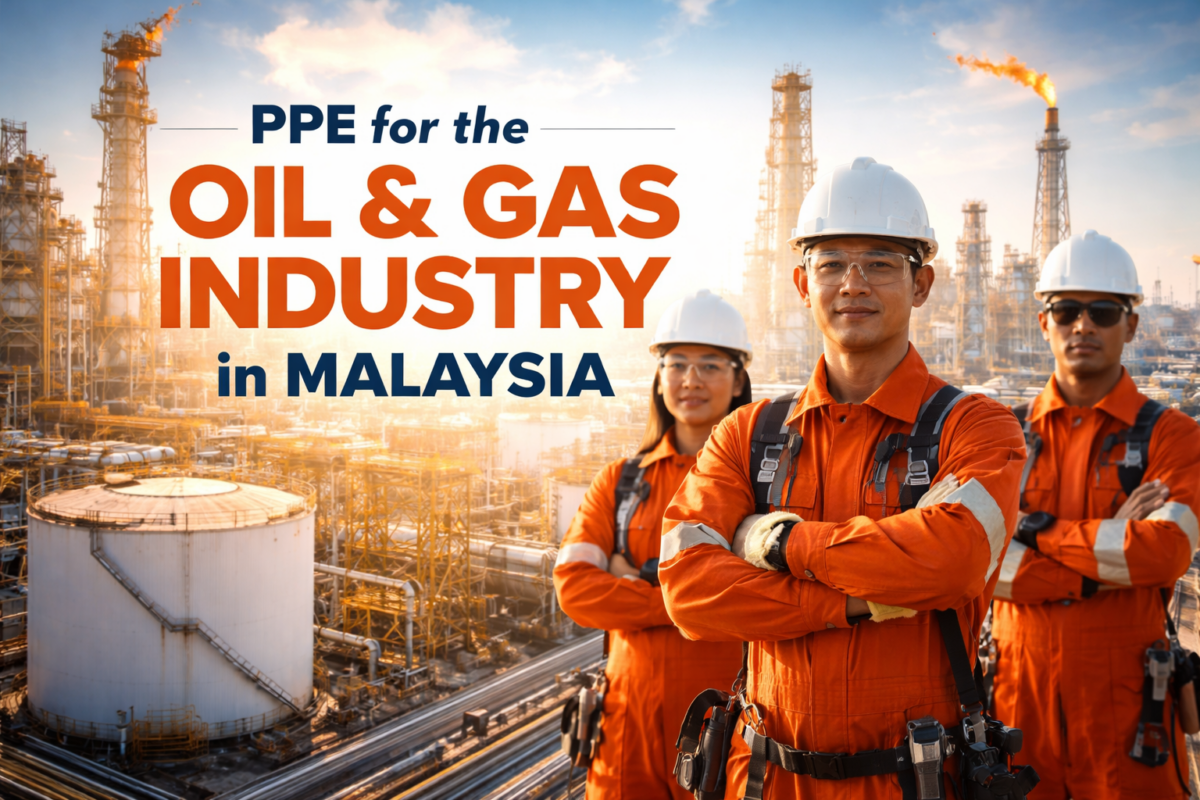
Malaysia stands as one of Southeast Asia’s leading hydrocarbon producers. Workers across its offshore fields in Sarawak and Sabah, along with onshore refineries and petrochemical complexes in the Kerteh and Gebeng corridors, face high risks daily. In these environments, proper personal protective equipment (PPE) can prevent a minor incident from becoming a fatal one. Hundreds of thousands of employees rely on specialized gear that far exceeds typical construction or factory needs.
This shortened guide explores essential PPE for Malaysia’s oil and gas (O&G) sector. It spans upstream drilling, offshore platforms, downstream refining, and petrochemical operations. The content references key standards from PETRONAS Technical Standards (PTS), NFPA, EN ISO, and ATEX requirements. Workers and contractors can use it to understand hazards and select compliant protection.
Why Oil and Gas PPE Differs from Standard Industrial Gear
Oil and gas operations expose workers to unique dangers that set their PPE apart from general industry requirements. Three main hazard categories drive these differences.
First, flash fires and thermal threats pose immediate risks. Hydrocarbon releases from flanges, pump seals, or pipeline ruptures can ignite suddenly into intense flames. Ordinary work clothes catch fire easily and keep burning, leading to severe injuries. In contrast, flame-resistant (FR) clothing self-extinguishes quickly—usually within two seconds after the flame source disappears. This feature limits burn area and reduces injury severity.
Second, explosive atmospheres require careful equipment choices. In ATEX zones, flammable gases, vapors, mists, or dusts can form ignitable mixtures. A simple spark from static discharge in non-certified tools, shoes, or devices might trigger an explosion. Therefore, operators demand ATEX or IECEx certification for PPE in these designated areas.
Third, toxic gas exposure demands constant vigilance. Hydrogen sulfide (H2S) occurs naturally in many Malaysian offshore fields, especially off Sarawak. This gas is highly toxic at low levels (immediately dangerous to life or health at 100 ppm) and can overwhelm the sense of smell through olfactory fatigue. Carbon monoxide (CO) also builds up during incomplete combustion in confined spaces or hot work. Both gases need ongoing monitoring, and some tasks require supplied-air respiratory protection.
These hazards explain why O&G sites enforce stricter PPE rules than most other industries.
Core PPE Requirements Across Malaysian Oil and Gas Sites
Flame-Resistant Clothing: The Foundation of Protection
FR clothing serves as the most distinctive requirement in the O&G sector. It protects against short-duration thermal events from flash fires.
Two major standards govern these garments. NFPA 2112 focuses on flash fire protection for industrial workers. It requires garments to limit predicted body burn to no more than 50% during a three-second exposure in the ASTM F1930 mannequin test. EN ISO 11612, the European counterpart, evaluates performance against convective heat, radiant heat, molten metal splashes, and contact heat, plus limited flame spread. It uses a letter code system (A for flame spread, B for convective heat, and so on) to show specific protections.
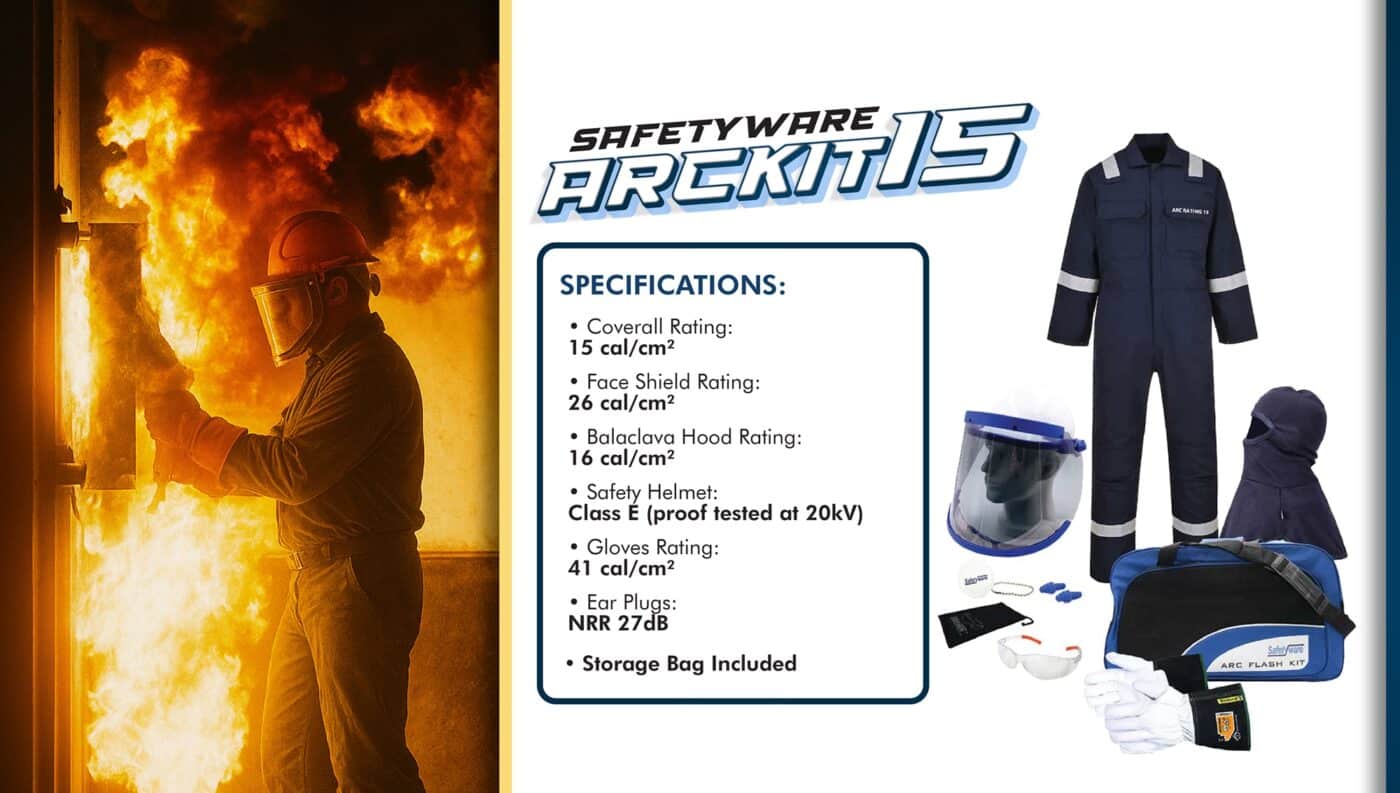
Both standards enjoy wide acceptance by PETRONAS and international oil companies in Malaysia. Many garments meet both for maximum coverage. High-quality options use inherent FR fibers like Nomex or treated materials. However, proper care preserves their performance. Workers should avoid chlorine bleach, fabric softeners, or starch during laundering. Instead, they use phosphate-free detergents without brighteners. Damaged garments with holes, tears, or heavy contamination need retirement.
PETRONAS refers to PTS 60.1200.10 (or related updates) for PPE guidelines, which align with NFPA 2112, EN ISO 11612, and arc flash ratings under ASTM F1506.
Head Protection in Hazardous Environments
Safety helmets on O&G sites must be non-vented to stop flammable vapors from collecting inside the shell. Many also carry an electrical hazard (EH) rating for insulation against live currents. Offshore, helmets require secure chin straps per EN 397 to prevent loss in high winds or during evacuation.
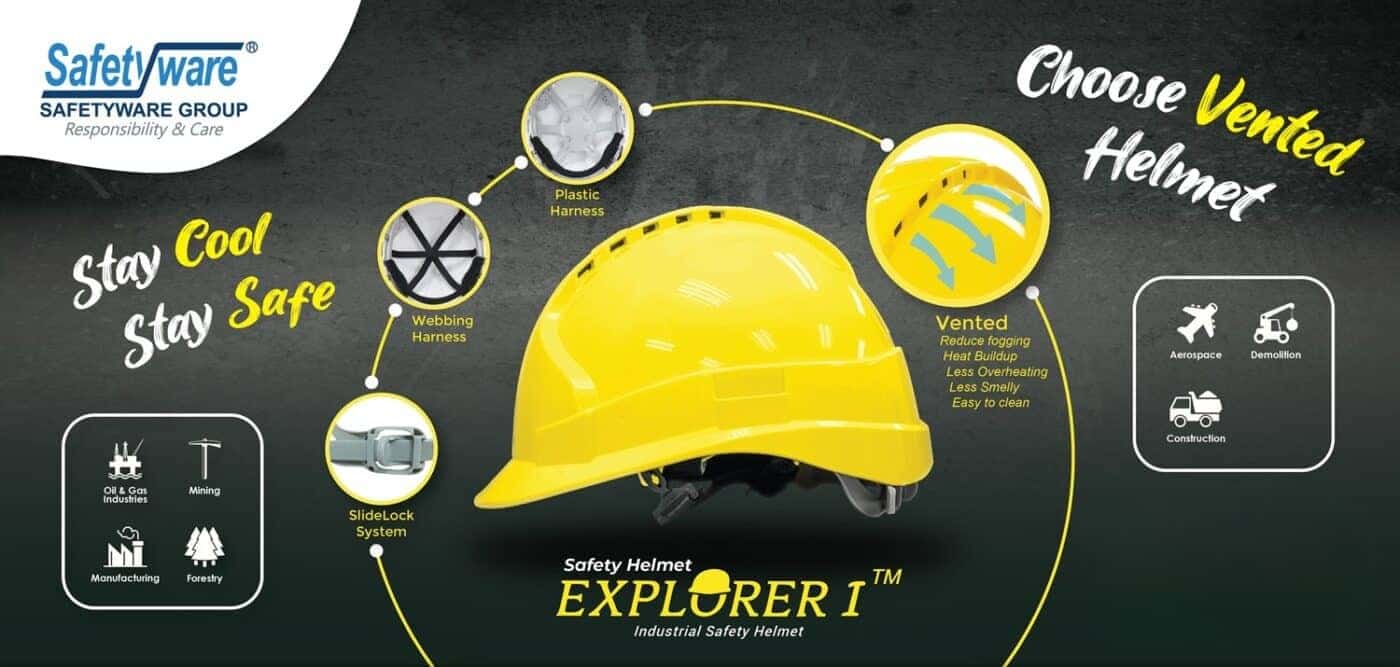
Color coding helps quickly identify roles: white often signals supervisors, yellow marks general workers, red denotes safety officers, and blue indicates contractors. Teams should always verify the exact code with the site operator before starting work.
The key standard remains EN 397, which supports non-vented designs with optional electrical insulation and retention systems.
Eye and Face Protection Against Multiple Threats
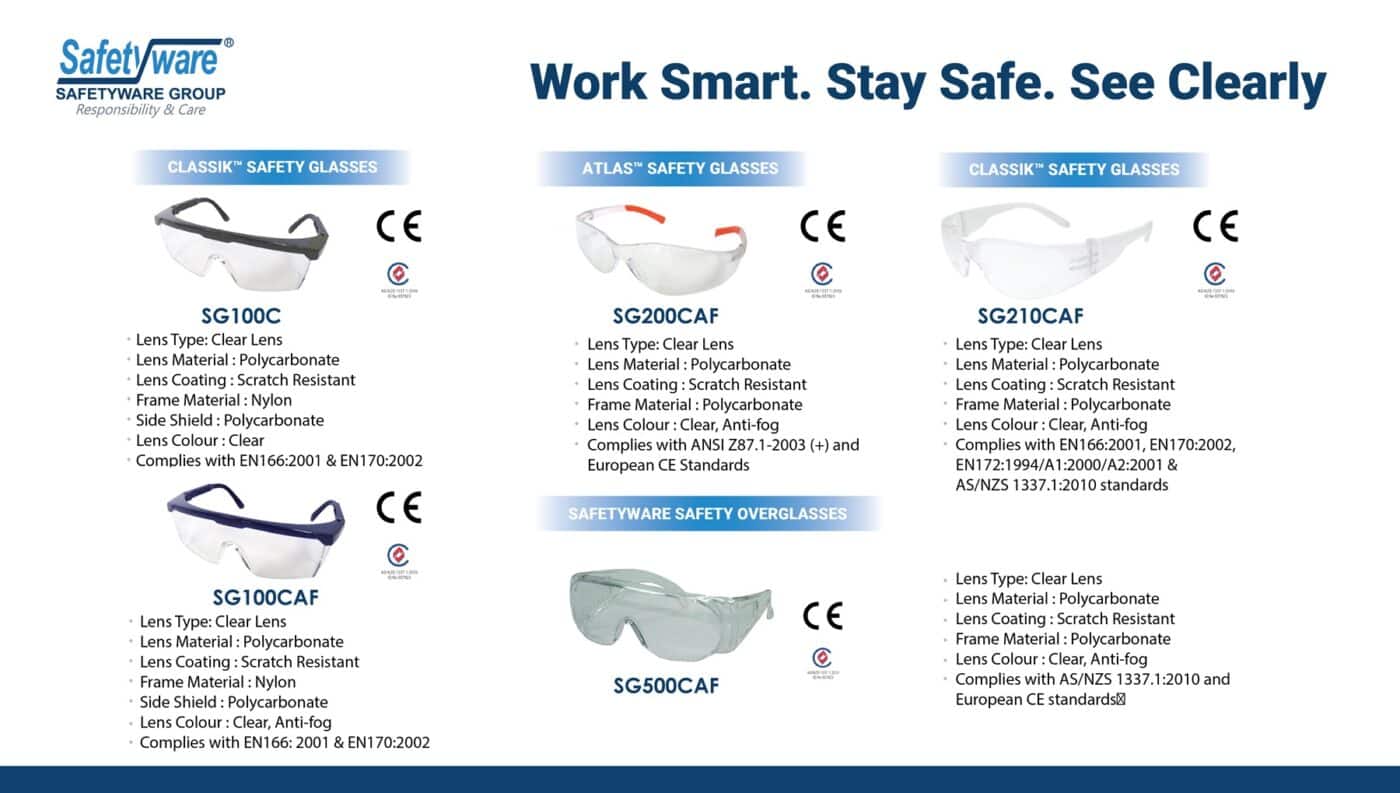
Oil and gas tasks involve chemical splashes, pressure releases, sparks from grinding or cutting, and intense UV from flaring or welding. Basic safety glasses with side shields (ANSI Z87.1 or EN 166 rated) provide the minimum for site entry.
For handling process chemicals, corrosion inhibitors, biocides, or methanol, workers need indirect-vent chemical splash goggles. Face shields worn over goggles suit pressurized system calibration, sampling, or grinding. Arc welding or electrical work demands auto-darkening welding helmets with appropriate shades (typically 9–13). On tropical offshore platforms, UV-filtering glasses protect against strong sunlight exposure during extended outdoor shifts.
Respiratory Protection and Gas Detection: Matching Gear to Atmosphere
Respiratory choices depend entirely on atmospheric conditions, so monitoring comes first. Most Malaysian O&G sites issue personal 4-gas detectors (measuring oxygen, lower explosive limit, H2S, and CO) to all personnel. Confined space entry requires pre-entry testing plus continuous monitoring.
Here is a quick overview of conditions and protections:
- Normal air with minor dust → Use disposable FFP2 or FFP3 masks.
- Suspected hydrocarbon vapors (below IDLH levels) → Half-face respirator with organic vapor/P100 cartridges works well.
- Elevated H2S (>10 ppm), CO, or other toxics → Supplied-air respirators or airline systems with SCBA backup are necessary.
- Oxygen-deficient areas (<19.5% O2) → Supplied air or SCBA only; air-purifying respirators are not allowed.
- IDLH or unknown atmospheres → Full positive-pressure SCBA is mandatory.
- Confined space entry (permit-required) → Full SCBA or continuous-flow airline systems.
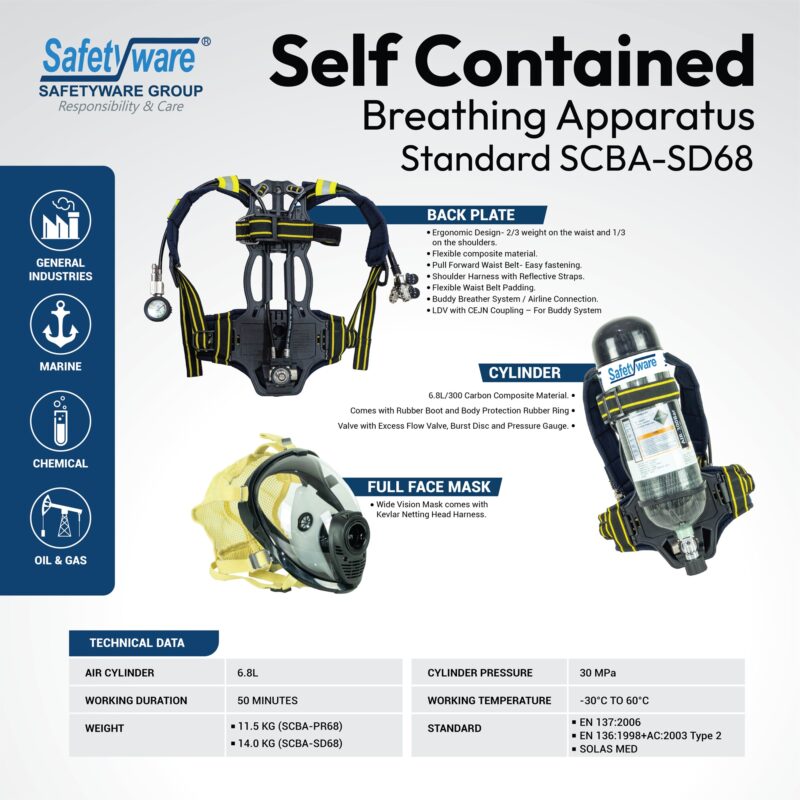
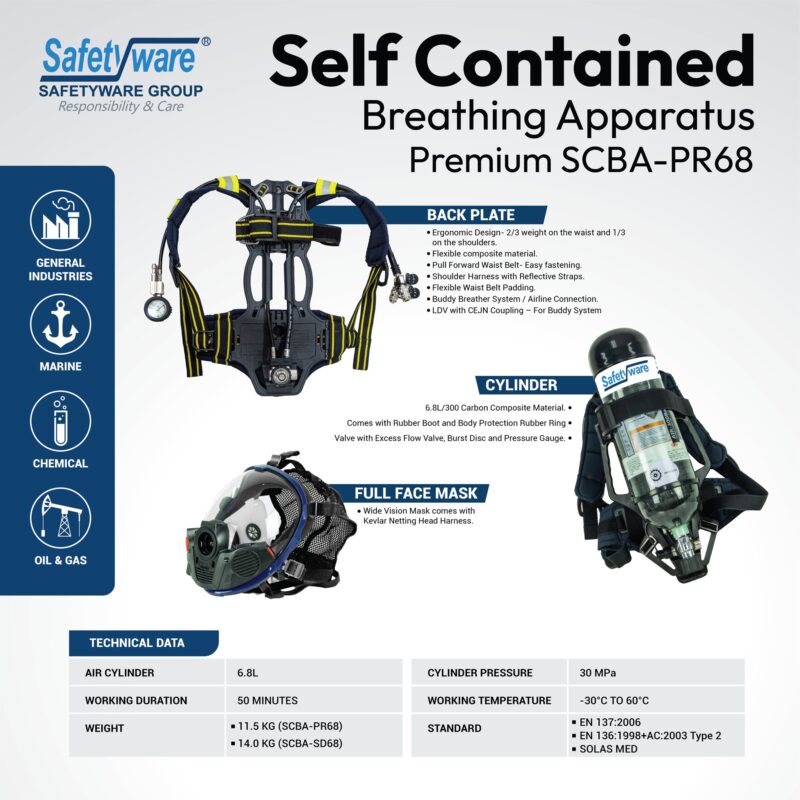
SCBA equipment follows EN 137 (open-circuit) or EN 145 (closed-circuit). Cylinder times (30 or 45 minutes common) must include safety margins for the task. Users need annual fit-testing and training.
In H2S-prone offshore fields, all personnel carry or access short-duration emergency escape breathing devices (EEBDs, usually 10–15 minutes) per IMO/SOLAS rules. These serve only for escape, not routine work.
Key certifications include EN 137 for SCBA, EN 140 for half-face masks, EN 149 for disposable masks, and EN 402 for EEBDs.
Hand Protection: Combining Mechanical, Thermal, and Chemical Resistance
Gloves in O&G sites need ratings for both mechanical risks (EN 388) and thermal/flame protection where FR clothing is required. Common choices include:
- Leather rigger gloves with FR lining for general handling (offering abrasion resistance and basic thermal protection).
- Cut-resistant gloves (EN 388 Level D or E) with FR outer layers for pipes, valves, and slings.
- Nitrile or neoprene chemical-resistant gloves for solvents or hydrocarbons (avoid natural latex, as it degrades quickly).
- Cryogenic gloves (EN 511) when handling liquid nitrogen or LNG.
Relevant standards cover EN 388 (mechanical), EN 407 (thermal), EN 511 (cryogenic), and EN 374 (chemical).
Foot Protection Tailored for Hydrocarbon Risks
Minimum requirements start with EN ISO 20345 S3 safety boots. However, O&G sites add features like anti-static properties (EN 61340-5-1) to prevent sparks in explosive zones. Nitrile rubber outsoles resist degradation from hydrocarbon spills better than standard rubber. Metatarsal guards protect against dropped objects in pipe yards, while EH-rated boots suit electrical work near substations.

Understanding ATEX and IECEx Certifications for PPE
ATEX and IECEx frameworks certify equipment—including certain PPE—for use in explosive atmospheres. Zones classify risks: Zone 0 for continuous explosive presence, Zone 1 for likely occurrence in normal operations, and Zone 2 for rare accidental events.
Items like anti-static footwear (with ESD marking), head torches, communication devices, and powered tools in Zone 1 or 2 need these certifications. FR garments focus on fire protection rather than ignition prevention, so they usually lack ATEX marks, though sites may specify anti-static traits. Markings show “Ex” followed by zone, gas group, and temperature class details. Always check with the site HSE team for specific zone requirements before bringing equipment onsite.
Additional Requirements for Offshore Operations in Malaysia
Offshore workers encounter marine survival risks absent onshore. SOLAS and PETRONAS standards mandate SOLAS-compliant lifejackets (at least 150N buoyancy for open water) during workboat or helicopter transfers in many cases.
Immersion suits per SOLAS LSA Code provide insulation for helicopter flights over water or cold-water scenarios. Malaysian waters stay warm (28–30°C), so hypothermia risks are lower than in places like the North Sea, but operators’ procedures still apply.
Many sites require personal EPIRB or PLB devices that activate on immersion or manually during man-overboard events. On helidecks, personnel wear anti-flash hoods, gloves, helmets with chin straps, FR coveralls, and safety boots during helicopter movements.
PETRONAS Technical Standards and Compliance
PETRONAS contractors must follow relevant PTS documents. PTS 60.1200.10 outlines minimum PPE aligned with international norms. Highlights include FR clothing in hydrocarbon areas, anti-static footwear in explosive zones, mandatory 4-gas monitors, SCBA for confined spaces, and non-vented helmets facility-wide.
Suppliers like Safetyware Group offer ranges that meet these PTS expectations, complete with test certificates and compliance declarations.
Looking for O&G PPE packages with full PTS compliance documentation? Contact our sales team:
☎️+604 5023882
📩[email protected]
Common Questions About O&G PPE in Malaysia
How do NFPA 2112 and EN ISO 11612 differ for FR clothing?
NFPA 2112 emphasizes whole-garment performance in a flash fire mannequin test, limiting body burn. EN ISO 11612 breaks down protection against various heat types with coded ratings. Many garments carry both for broad suitability in Malaysian conditions.
Do workers need ATEX-certified PPE?
Yes, for items that could generate sparks or static in explosive zones, such as certain footwear, detectors, torches, or headsets. FR coveralls, helmets, and most gloves do not require ATEX marks since they address fire and impact rather than ignition sources.
What is the baseline for H2S environments?
Personnel carry a personal 4-gas monitor with H2S alarms at low levels (e.g., 5 ppm action). Higher concentrations or confined spaces demand supplied-air or SCBA protection. EEBDs must be accessible offshore where H2S is classified.
Is a gas detector considered PPE?
Malaysian regulations like OSHA 1994 treat it mainly as monitoring equipment. However, PETRONAS and operators often require it as mandatory personal issue, equivalent to PPE for site access. Treat it practically as essential gear.
When should FR coveralls be replaced? No fixed legal life exists, but inspect before every use. Retire items with tears, heavy contamination, or compromised FR properties (test by exposing a small area to flame if unsure—FR fabric chars and self-extinguishes). Consider UV degradation in Malaysia’s tropical climate, plus manufacturer limits around 50–100 wash cycles or 5 years.
Malaysia’s oil and gas industry demands rigorous PPE to match its hazards. By selecting certified gear, following care instructions, and adhering to PTS and international standards, workers and operators can significantly reduce risks. For projects involving PETRONAS or major operators, consult specialist suppliers early to ensure full documentation and compliance. Proper PPE saves lives and supports safe, continuous operations across upstream, offshore, and downstream activities.