

A Simple Guide to HACCP, OSHA & ISO 22000 Compliance
Malaysia’s food industry is highly regulated — and for good reason.
If you’re managing a food factory, PPE (Personal Protective Equipment) isn’t just about protecting workers. It also plays a critical role in preventing food contamination.
This means every PPE item must meet two key requirements at the same time:
- Keep workers safe
- Keep food clean and contamination-free
Why PPE Matters in Food Processing
In Malaysia, food manufacturers must comply with:
- OSHA 1994 → Worker safety
- Food Hygiene Regulations 2009 → Food safety
- HACCP / ISO 22000 → International food safety standards
- Halal (JAKIM) → For certified facilities
In simple terms, your PPE must protect both people AND products.
The 2 Layers of PPE Compliance
1. Worker Safety (OSHA 1994)
Employers must provide PPE for workplace hazards like:
- Slippery floors → Anti-slip shoes
- Loud machinery → Hearing protection
- Sharp tools → Cut-resistant gloves
- Chemicals → Chemical-resistant gloves & aprons
- Dust/powders → Respiratory protection
2. Food Safety (HACCP & Hygiene Standards)
PPE must also prevent contamination, such as:
- Hair falling into food
- Glove fragments mixing into products
- Dirt or bacteria from clothing
👉 PPE becomes part of your HACCP control system.
Essential PPE for Food Processing
1. Gloves
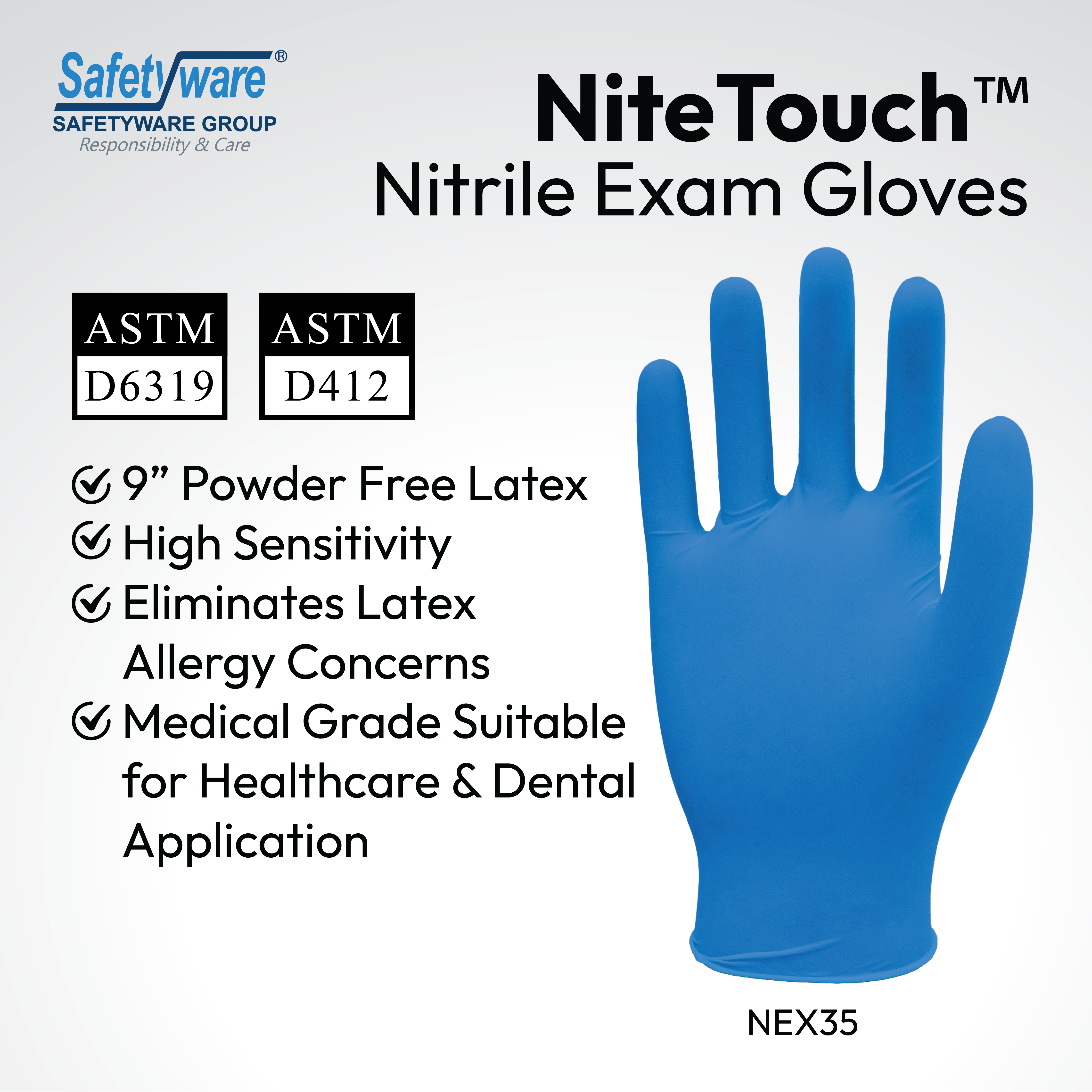
Gloves must be both safe for food contact and protective for workers.
Best choice:
- Nitrile gloves (most common)
Why nitrile?
- No latex allergy risk
- Strong chemical resistance
- Food-safe materials
Other important types:
- Cut-resistant gloves → For knives & blades
- Heat-resistant gloves → For hot equipment
- Detectable gloves → Can be found by metal detectors
👉 Tip: Blue gloves are standard because they’re easy to spot in food.

2. Hair & Head Protection
Hair contamination is one of the most common food safety issues.
Required PPE:
- Hairnets (must fully cover hair)
- Beard nets (for facial hair)
- Full head covers (for high-risk areas)
👉 In strict zones, workers may need to be clean-shaven.

3. Safety Footwear
Food factory floors are often wet and slippery.
Look for:
- SRC-rated anti-slip shoes (highest standard)
- Waterproof boots (for wet environments)
- Easy-to-clean materials
👉 Many factories also use colour-coded shoes to prevent cross-contamination.

4. Protective Clothing & Aprons
Standard requirements:
- Light-coloured uniforms (easy to spot dirt)
- No external pockets (avoid contamination risk)
- No loose buttons
Colour-coded aprons help separate zones:
|
Colour |
Zone |
Example Use |
|
Red |
Raw meat / high-contamination zone |
Butchery, raw poultry handling |
|
Blue |
Fish and seafood |
Fish processing, seafood packing |
|
White |
Cooked / ready-to-eat |
Deli, baked goods, RTE packing |
|
Yellow |
High-risk / allergenic |
Nut handling, allergen production runs |
|
Green |
Vegetable / produce |
Fresh-cut salad, vegetable prep |
👉 Never mix PPE between raw and cooked zones.
5. Face Masks
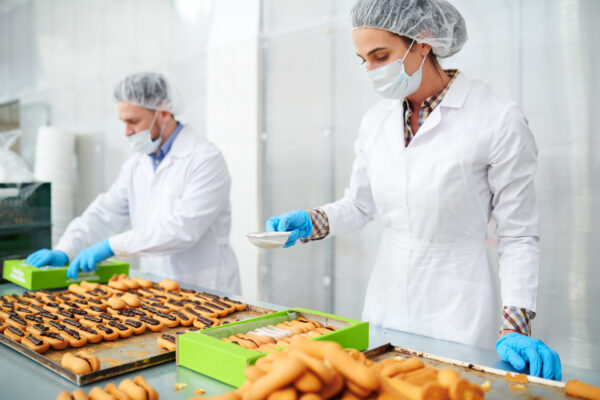
Used in areas with open food exposure, such as:
- Ready-to-eat products
- Bakery or deli sections
- Infant or health food production
Important:
- Change masks every 2–4 hours
- Replace immediately if wet

6. Hearing Protection
Food factories can be loud (often above 85 dB).
Safer options:
- Earmuffs
- Banded earplugs
⚠️ Avoid loose foam earplugs — they can fall into food and go undetected.
Detectable PPE: A Smart Upgrade for HACCP
Standard PPE may not be detected if it falls into food.
That’s where detectable PPE comes in.
✔ Works with metal detectors
✔ Reduces contamination risk
✔ Helps pass audits
Common detectable items:
- Gloves
- Plasters
- Earplugs
👉 Many certified food factories now make this a requirement.
Halal Compliance: What Many Factories Overlook
For halal-certified production in Malaysia:
- PPE must be free from non-halal materials
- Latex gloves may not always be suitable
- Nitrile gloves are the safer choice
👉 Always request halal declarations from your supplier.
How the Right PPE Helps Your Business
Choosing proper PPE doesn’t just keep you compliant — it gives you real business benefits:
✔ Pass audits more easily (HACCP, ISO, BRC)
✔ Reduce contamination risks
✔ Protect your workers
✔ Improve operational efficiency
✔ Build trust with customers
Why Choose Safetyware for Food Processing PPE
When it comes to food safety, not all PPE is created equal.
Safetyware offers:
- Food-contact compliant PPE
- HACCP-ready detectable solutions
- Anti-slip safety footwear
- Hygiene apparel & disposable wear
- Support for halal compliance documentation
👉 Whether you’re running a small facility or a large production plant, having the right PPE partner makes compliance much easier.
🚀 Get the Right PPE for Your Food Facility
Don’t wait for an audit failure or contamination issue.
Upgrade your PPE today with solutions designed for:
- Food safety compliance
- Worker protection
- Malaysian industry requirements
👉 Browse Food Processing PPE: https://safetyware.com/products/
📞 Need More Information?
Your safety matters. If you have questions about what PPE is right for your workplace, we’re here to help!
Visit our website: www.safetyware.com
Wear Wisely, Work Safely – with Safetyware! ✨
If you need a quotation, feel free to contact us at:
📩 Email: [email protected]
📞 Tel: WhatsApp Us
Frequently Asked Questions (FAQ)
Yes. PPE used in food-contact areas must be safe and non-contaminating. Always request a Food Contact Material (FCM) declaration from your supplier.
Blue nitrile gloves are the industry standard because they are highly visible in food. Avoid white, clear, or black gloves as they are harder to detect.
Detectable gloves contain materials that can be picked up by metal detectors. They are recommended (or required) in facilities using metal detection as a HACCP control point.
Yes. PPE must be halal-compliant. Nitrile gloves are preferred, and suppliers should provide halal declarations.
SRC-rated footwear is recommended as it provides the highest slip resistance for wet and greasy floors. Key certification: EN ISO 20345 S2 or S5, SRC slip-resistance rating.
Yes. PPE must be documented as part of your hygiene program, including usage, training, and replacement records.