

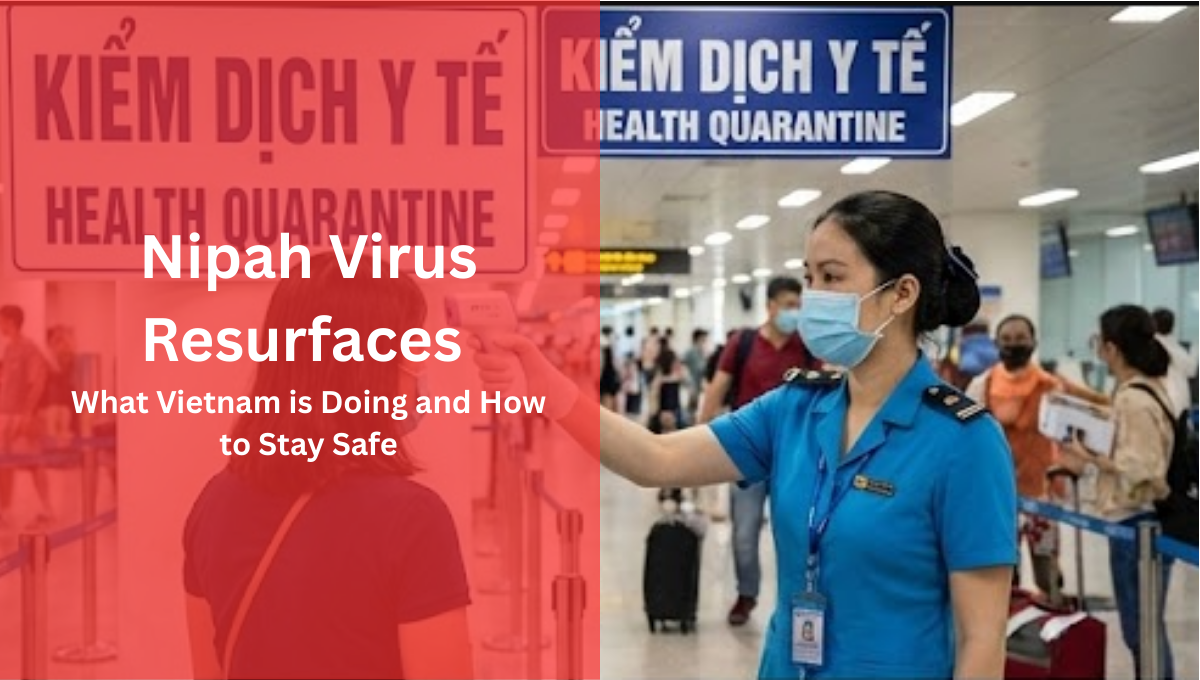
Date: January 26, 2026
A recent cluster of Nipah virus (NiV) cases reported in West Bengal, India, has put health authorities across Southeast Asia on alert. According to reports from Outbreak News Today on January 24, 2026, five cases have been confirmed near Kolkata, including three healthcare workers—a doctor, a nurse, and a health worker. This alarming development, where frontline staff are becoming infected, highlights the highly contagious nature of the virus in hospital settings.
Currently, nearly 100 close contacts are quarantined in West Bengal. Nipah virus is a zoonotic illness transmitted to humans from animals (fruit bats or pigs), contaminated food (like raw date palm sap), or directly between humans.
Vietnam’s Response and Preparedness
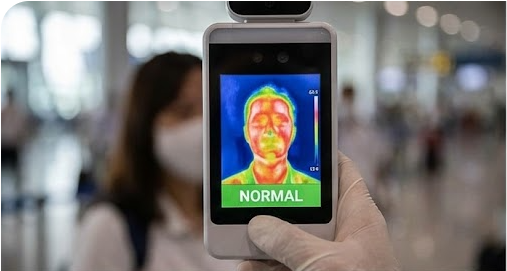
While Vietnam has not currently reported cases related to this specific outbreak, the Ministry of Health (MOH) and the General Department of Preventive Medicine (GDPM) maintain a state of high vigilance for emerging infectious diseases.
Given Vietnam’s shared borders and high volume of international travel, preventive measures are crucial. Historically, following similar regional threats, Vietnam’s health sector activates surveillance systems at international points of entry (airports and land borders). They use these systems to monitor travelers arriving from affected regions for symptoms like fever, headache, and respiratory distress.
The General Department of Preventive Medicine emphasizes early detection. In their guidelines for emerging diseases, they state the importance of strengthening supervision in the community and healthcare facilities. This includes detecting suspected cases early, especially those with epidemiological factors related to outbreak areas.
- Source: For general updates on infectious disease surveillance in Vietnam, monitor the General Department of Preventive Medicine (GDPM) website: vncdc.gov.vn
The Critical Role of PPE
The fact that healthcare workers in India were infected underscores the vital importance of Infection Prevention and Control (IPC), specifically Personal Protective Equipment (PPE). Nipah spreads through respiratory droplets and close contact with body fluids.
To protect healthcare workers and caregivers, standard precautions must be escalated when dealing with suspected NiV patients. Essential PPE includes:
- Respiratory Protection: Medical masks for general care, but crucially, N95 or FFP2 respirators for any aerosol-generating procedures.
- Eye Protection: Goggles or face shields to prevent droplet splashes contaminating the eyes.
- fluid-resistant Gowns and Gloves: To prevent skin contact with infected fluids.
Strict adherence to hand hygiene before donning and after doffing PPE is essential to stop the chain of transmission.
For more updates on safety news and insights, visit our website at Safetyware.
Any Questions? Contact Us:
📩 Email: [email protected]
🌐 Website: www.safetyware.com
📞 Contact us: WhatsApp