

Date: January 26, 2026
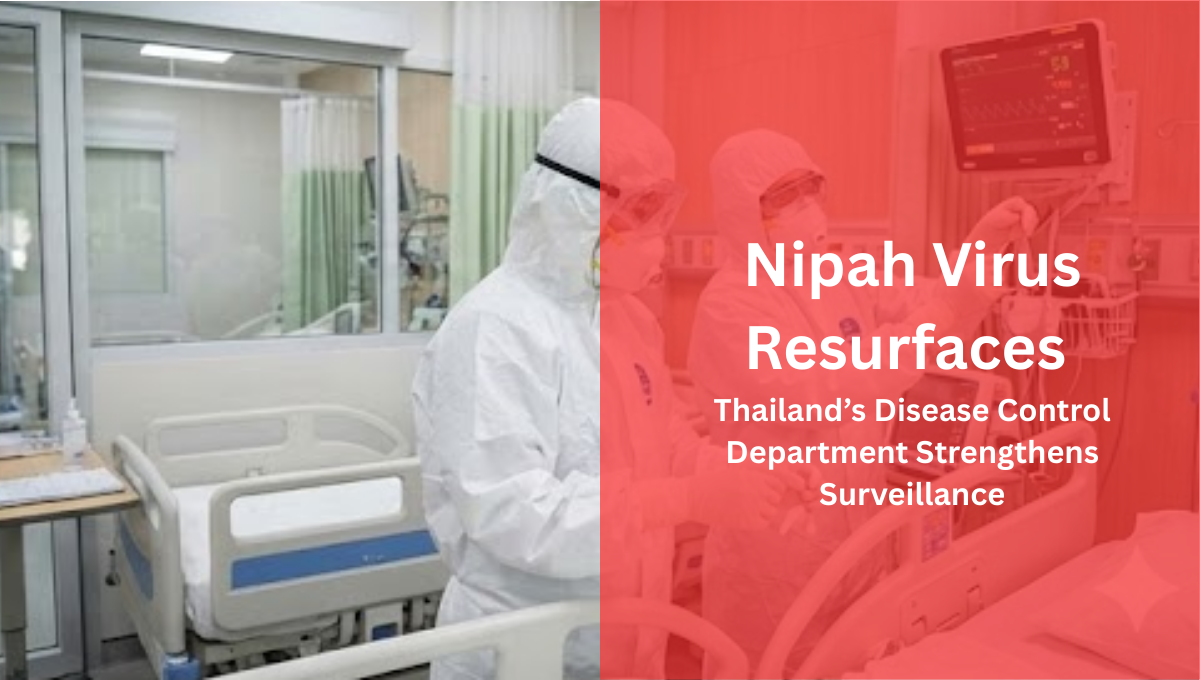
Reports from India confirmed a new outbreak of Nipah virus (NiV) in West Bengal this week, with five cases recorded by January 24, 2026. The cluster, located near Kolkata, has alarmingly included three healthcare workers, indicating active human-to-human transmission within hospital environments.
Nipah causes severe illness, ranging from acute respiratory infection to fatal encephalitis. While fruit bats are the natural host, the virus can spread to pigs and humans, and subsequently from person to person.
Thailand’s Control Measures and Surveillance
Thailand is a major travel hub in Southeast Asia and maintains a robust disease surveillance system. The Department of Disease Control (DDC) within the Ministry of Public Health is highly proactive regarding zoonotic threats.
Thailand has historically conducted longitudinal surveillance of bat populations, particularly in southern provinces bordering Malaysia, which has experienced outbreaks in the past. In response to overseas outbreaks like the current one in India, the DDC typically issues advisories to travelers avoiding known outbreak areas and to avoid contact with bats or pigs.
Port Health officials at major airports like Suvarnabhumi are usually placed on alert to screen passengers arriving from South Asia presenting with high fever or neurological symptoms. The DDC emphasizes public awareness regarding avoiding raw date palm juice and ensuring fruit is washed thoroughly.
- Source: For the latest travel advice and disease alerts, check the Department of Disease Control (DDC) Thailand website: ddc.moph.go.th
Protecting Against Transmission with PPE
The infection of medical staff in West Bengal demonstrates that standard hospital practices may not be enough without specific Nipah protocols. The virus transmits through close contact with secretions and droplets.
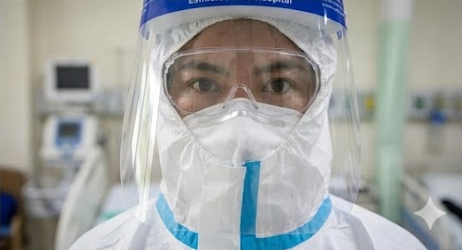
Appropriate Personal Protective Equipment (PPE) is crucial for stopping nosocomial (hospital-acquired) transmission. For healthcare workers in Thailand potentially encountering a suspect case, required PPE includes:
- Respiratory Defenses: Fitted N95 respirators are essential, particularly during aerosol-generating procedures (like suctioning or intubation).
- Barrier Protection: Long-sleeved, fluid-resistant gowns and gloves are required to prevent contact with bodily fluids.
- Face/Eye Shields: To protect against splashes to the face.
The Ministry of Public Health emphasizes that PPE must be combined with rigorous hand hygiene and isolation protocols to be effective.
For more updates on safety news and insights, visit our website at Safetyware.
Any Questions? Contact Us:
📩 Email: [email protected]
🌐 Website: www.safetyware.com
📞 Contact us: WhatsApp