

Date: January 26, 2026
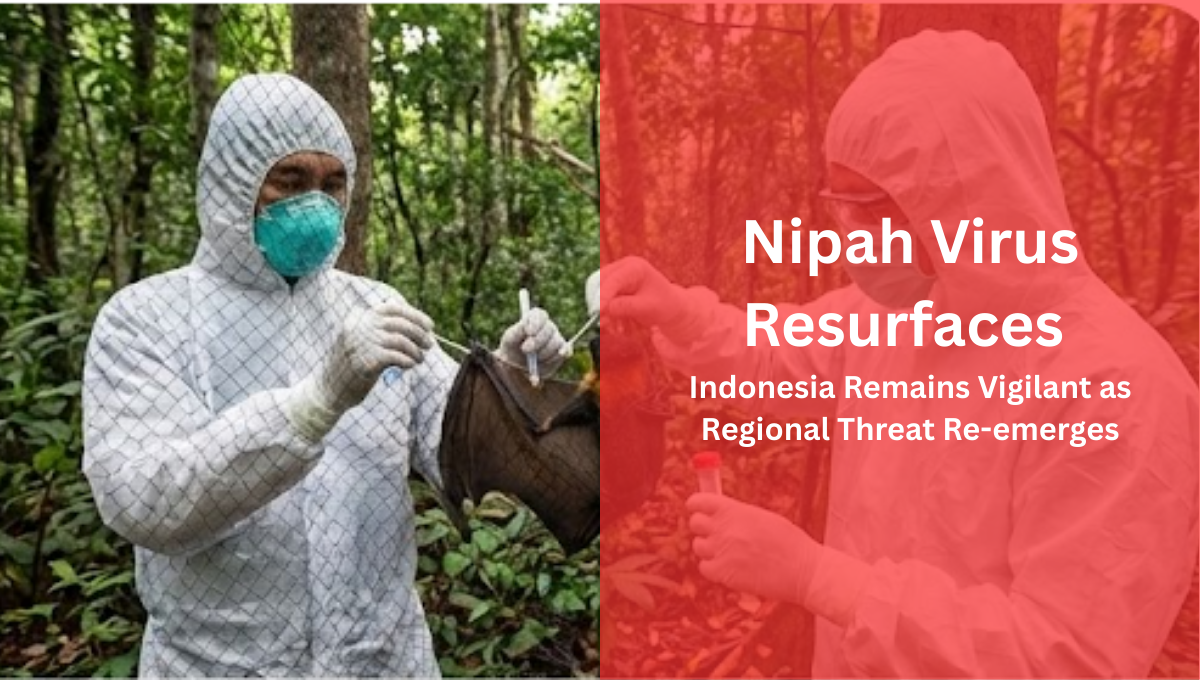
Health officials are closely monitoring a fresh outbreak of the deadly Nipah virus (NiV) in West Bengal, India. As of late January 2026, five confirmed cases have been reported near Kolkata. Disturbingly, the cluster includes healthcare professionals infected while working at a private hospital.
Nipah is a bat-borne virus that causes severe disease in humans and animals. It has a high mortality rate and can spread through contact with infected bats, pigs, or human-to-human transmission via body fluids.
Indonesia’s Context and Control Measures
Indonesia, with its vast biodiversity and large populations of Pteropus fruit bats (the natural hosts of Nipah), has long been considered at risk for spillover events, though it has not experienced major human outbreaks like neighboring Malaysia.
In response to regional outbreaks, the Indonesian Ministry of Health (Kemenkes) typically issues circulars to Provincial and District Health Offices to increase alertness. The focus is usually on strengthening surveillance of “Ispa Berat” (Severe Acute Respiratory Infection) and acute encephalitis syndrome in areas identified as high-risk bat habitats.
The government also emphasizes cross-sectoral collaboration between human health and animal health (One Health approach) to monitor bat populations. The Ministry of Health has previously stated the importance of vigilance at entry points for travelers coming from outbreak-affected countries.
- Source: Keep updated with official advisories from the Indonesian Ministry of Health (Kemkes): kemkes.go.id
Understanding PPE Defense Against Nipah
The infection of doctors and nurses in the current India outbreak is a stark reminder of the transmission risks in clinical settings. Nipah virus transmits primarily through droplets and direct contact with infectious materials.
Proper use of Personal Protective Equipment (PPE) is the primary defense for anyone caring for a suspected case. Recommended PPE gear includes:
- Gloves: Essential for any contact with the patient or their immediate environment.
- Gowns: Fluid-resistant gowns to protect clothing and skin from splashes.
- Face Protection: A combination of medical masks and eye protection (face shield/goggles) is necessary. For high-risk medical procedures that might create aerosols, an N95 respirator is required instead of a standard surgical mask.
Routine hand washing with soap and water, or using alcohol-based hand sanitizers, is critical alongside PPE use.
For more updates on safety news and insights, visit our website at Safetyware.
Any Questions? Contact Us:
📩 Email: [email protected]
🌐 Website: www.safetyware.com
📞 Contact us: WhatsApp