

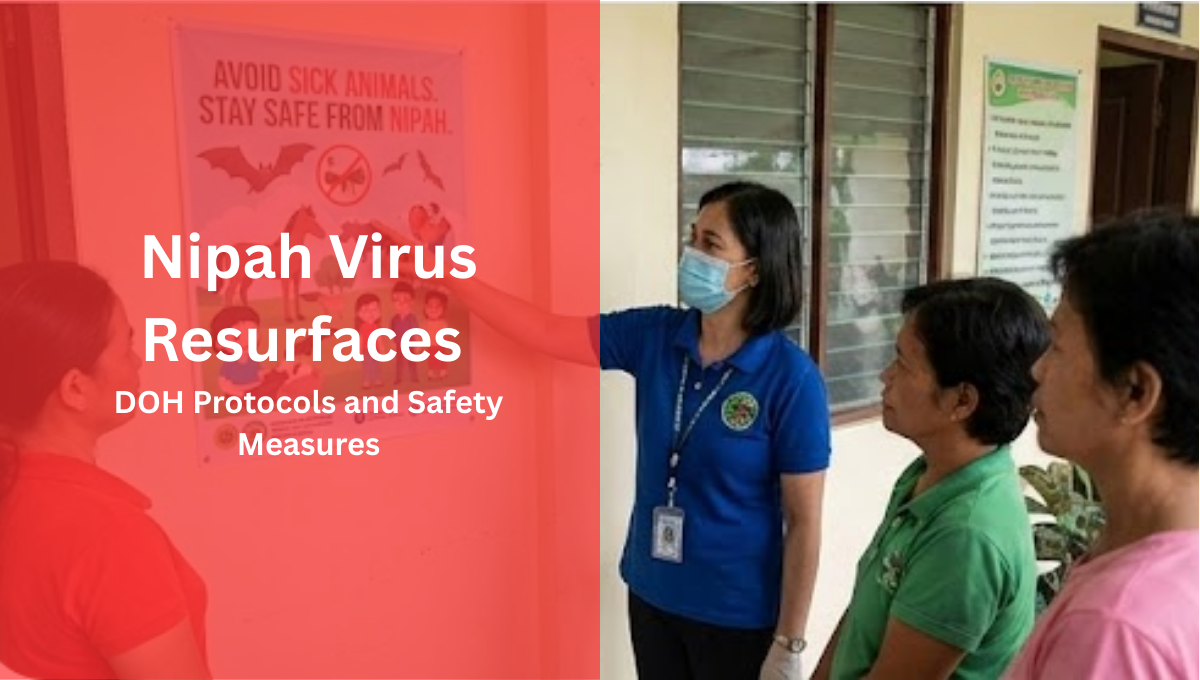
Date: January 26, 2026
A new outbreak of the Nipah virus in West Bengal, India, has resulted in five confirmed cases as of January 24, 2026. The cases, centered near Kolkata, include hospital staff who contracted the virus after contact with initial patients. Almost 100 contacts are currently under quarantine.
The Philippines has a unique history with Nipah virus. A 2014 outbreak in Mindanao was linked to a distinct strain of the virus transmitted through direct contact with infected horses and consumption of horse meat, differing from the bat-to-human or palm sap transmission seen elsewhere.
The Philippines’ Response and Readiness
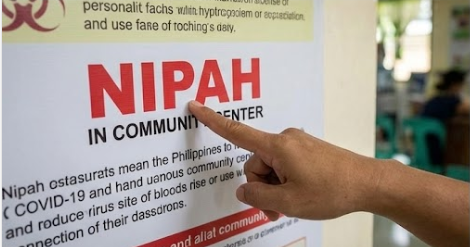
Given the country’s prior experience, the Department of Health (DOH) and the Research Institute for Tropical Medicine (RITM) have established protocols for emerging infectious diseases.
In light of the situation in India, the DOH Bureau of Quarantine typically heightens thermal screening and symptom monitoring for travelers arriving from affected regions. The DOH advises the public to remain calm but vigilant, emphasizing the avoidance of contact with sick animals.
The Research Institute for Tropical Medicine (RITM) serves as the National Reference Laboratory for emerging diseases and stands ready to confirm suspected cases should they arise locally. The DOH consistently reminds the public of standard health protocols established during previous public health emergencies.
- Source: For official press releases and health advisories, visit the Department of Health (DOH) website: doh.gov.ph
PPE: The Frontline Defense
The human-to-human transmission confirmed in the India outbreak highlights the necessity of strict infection control. The virus spreads through infected body fluids (blood, urine, saliva) and respiratory droplets.
Personal Protective Equipment (PPE) is non-negotiable when handling suspected Nipah cases. The Bureau of Health Devices and Technology and DOH guidelines recommend the following for healthcare settings treating infectious high-threat pathogens:
- Full Body Coverage: Impervious coveralls or fluid-resistant gowns.
- Respiratory and Eye Safety: A minimum of an N95 respirator combined with a face shield or goggles to protect mucous membranes from splashes and droplets.
- Double Gloving: Often recommended during patient care activities to ensure maximum barrier protection.
Proper donning and doffing procedures, supervised by infection control officers, are vital to ensure workers do not contaminate themselves when removing gear.
For more updates on safety news and insights, visit our website at Safetyware.
Any Questions? Contact Us:
📩 Email: [email protected]
🌐 Website: www.safetyware.com
📞 Contact us: WhatsApp