
Respiratory masks labeled as FFP2, N95, or KN95 are designed to filter airborne particles, but their standards vary by region and testing requirements. Understanding these differences ensures you select the right face mask for your needs. Let’s break down what each acronym means and how they compare.

1. FFP2 Respiratory mask (Filtering Face Piece 2)
- Region: European standard (EN 149).
- Filtration: Filters ≥94% of airborne particles (0.3 microns or larger), including dust, smoke, and aerosols.
- Use: Common face masks used in healthcare, construction, and industries with non-toxic dust.
- Fit: Must seal tightly to the face; some models have exhalation valves for comfort.
- Example: SafetyWare FFP2 Valved Mask for woodworking or pollution-prone environments.
2. N95 Face masks
- Region: U.S. standard (NIOSH-42CFR84).
- Filtration: Filters ≥95% of particles (0.3 microns), including viruses and fine dust.
- Use: Healthcare (e.g., COVID-19 protection), mining, and industrial settings.
- Fit: Requires fit testing for medical use; no exhalation valve in FDA-cleared surgical N95s.
- Regulatory Approval: NIOSH certifies N95s; some are also FDA-approved for medical use face mask.
- Example: SafetyWare NIOSH N95 Face Mask for hospital staff or asbestos removal.
3. KN95 Face masks
- Region: Chinese standard (GB 2626-2006).
- Filtration: Filters ≥95% of particles, similar to N95 respiratory masks.
- Use: General public use, construction, and pollution protection face mask.
- Fit: Looser fit than N95; many have ear loops instead of headbands.
- Caveat: Not NIOSH-certified; quality varies by manufacturer.
Key Differences Face masks at a Glance
| Feature | FFP2 | N95 | KN95 |
|---|---|---|---|
| Region | Europe | United States | China |
| Filtration | ≥94% | ≥95% | ≥95% |
| Fit Testing | Not always required | Required for medical | Rarely required |
| Valves | Allowed | Restricted in medical | Common |
| Certification | CE Mark | NIOSH + FDA (medical) | GB Standard |
Which Face Masks Should You Choose?
- Healthcare Settings: Opt for N95 (NIOSH + FDA-approved) or FFP2 (EN 149) for guaranteed protection.
- Industrial Work: KN95 or valved FFP2 for dust and pollution (ensure they meet local workplace safety rules).
- General Public Use: KN95 (if NIOSH-approved equivalents are unavailable).
Important Notes
- Face masks with exhalation valves protect the wearer but do not filter exhaled air, making them unsuitable for sterile environments.
- Counterfeit masks are common—purchase from reputable suppliers like SafetyWare.
Conclusion
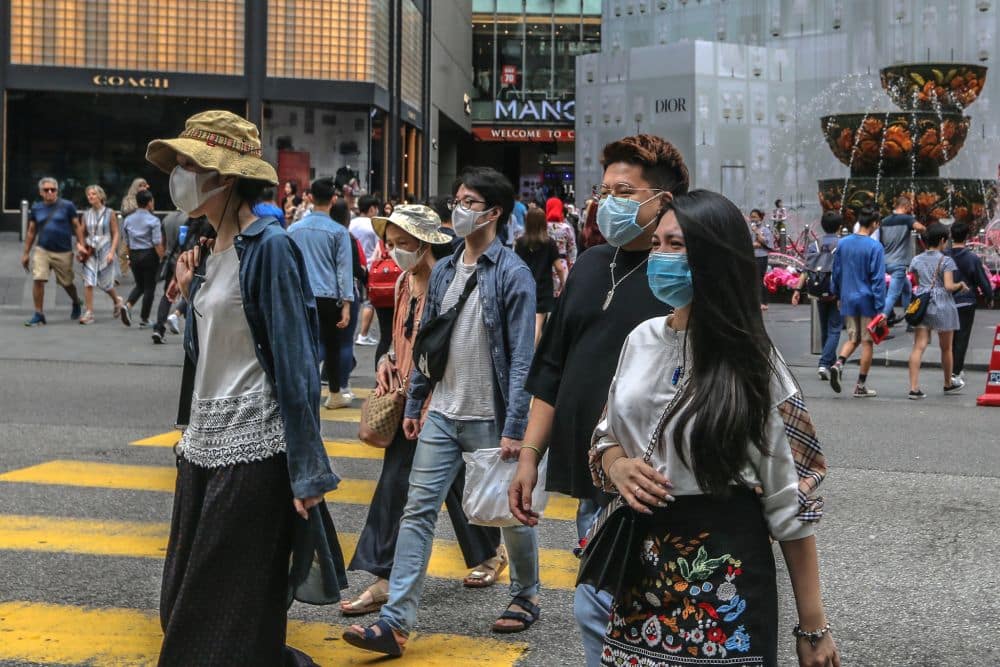
While FFP2, N95, and KN95 Respiratory mask offer similar high filtration, their regional certifications, fit requirements, and intended uses differ. Always match the face mask to your environment (medical, industrial, or daily use) and verify compliance with local safety regulations.
Explore SafetyWare’s range of certified respiratory protection here.
Any Questions? Contact Us:
📩 Email: [email protected]
🌐 Website: www.safetyware.com
📞 Contact us: WhatsApp